Detailed Content
Are you ready for a free trip to Sapa in Lao Cai Province? While planning your itinerary, you will frequently come across the attraction "Cat Cat Village"! Many travelers are curious if this place is filled with adorable cats when they first hear the name. In fact, there are no cat colonies here; it is the oldest and most representative village of the Black H'Mong ethnic group in Sapa.
Introduction to Cat Cat Village
Cat Cat Village is located about 2 to 3 kilometers southwest of the center of Sapa, at the entrance of Muong Hoa Valley, nestled at the foot of the majestic Hoang Lien Son mountain range and Fansipan. The Black H'Mong people settled and built the village here as early as the mid-19th century. In the early 20th century, the French discovered the magnificent waterfall (then called CatScat) and the cool, pleasant climate, making it a popular summer retreat for officials. Over time, Cat Cat Village has transformed into a well-preserved cultural tourism area for ethnic minorities. Sapa boasts several famous trekking routes, and Cat Cat Village is one of the closest traditional villages to the town center, ideal for experiencing ethnic minority culture and valley scenery. [Vietnam Tourism]
Vietnam National Authority of Tourism: Sapa ↗
Main Features
Traditional Wooden Houses of the Black H'Mong
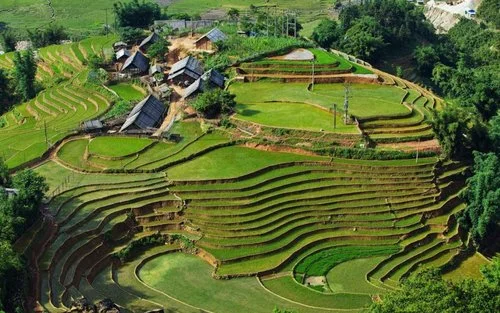
Upon entering Cat Cat Village, the most eye-catching sight is the traditional "three-room" wooden houses built along the mountain slope. These houses are mostly constructed from local yellow pine or adobe, with roofs made of white fragrant wood, designed to be compact and suitable for the cold, rainy climate of the mountains. The interiors retain traditional threshing floors, fire pits, and looms, showcasing the life wisdom passed down through generations of the H'Mong people.
Tien Sa Waterfall and Giant Bamboo Waterwheel
Following the winding stone path downwards, you will reach the heart of Cat Cat Village—Tien Sa Waterfall. The waterfall has a rushing flow, surrounded by bamboo bridges, wooden viewing platforms, and a giant bamboo waterwheel powered by water. The sounds of the waterwheel and the stream intertwine, creating a picturesque scene, making it the most popular photo spot in the village.
Indigo Dyeing and Traditional Craft Demonstrations
The Black H'Mong women in Cat Cat Village are skilled in hand-spinning hemp cloth, beeswax painting, and indigo dyeing. In the village's craft workshop, you can observe up close how residents extract indigo juice from natural plants to dye fabrics deep blue and embroider intricate geometric patterns. Additionally, the village retains traditional techniques for polishing and forging gold and silver jewelry.
Suitable for Travelers
- Photography enthusiasts and couples: The village features many exquisite photo spots, where you can wear ethnic minority costumes against the backdrop of terraced fields and waterfalls, capturing stunning shots effortlessly.
- Cultural explorers: Ideal for travelers who want to delve into the history, architectural features, and craftsmanship of the Black H'Mong.
- Families with children: Close to the center of Sapa, with clear routes and well-maintained paths, it is suitable for a relaxed half-day cultural hike with kids.
Recommended Activities
When visiting Cat Cat Village, it is highly recommended to rent traditional Black H'Mong costumes at a clothing store near the entrance. Dressed in colorful outfits adorned with silver accessories, stroll along the stone paths and waterwheel area for photos. If you get tired, you can order a cup of Vietnamese drip coffee or mountain tea at a café by the stream and enjoy the valley scenery; or watch free traditional H'Mong songs and dances at the village's open-air stage. Before leaving, don't forget to try the local grilled sausages, bamboo rice, and mountain rose hip wine.
Itinerary Suggestions
Since Cat Cat Village is quite close to the center of Sapa, a 2 to 3-hour half-day tour is usually most suitable. You can combine Cat Cat Village with the following attractions for a day trip:
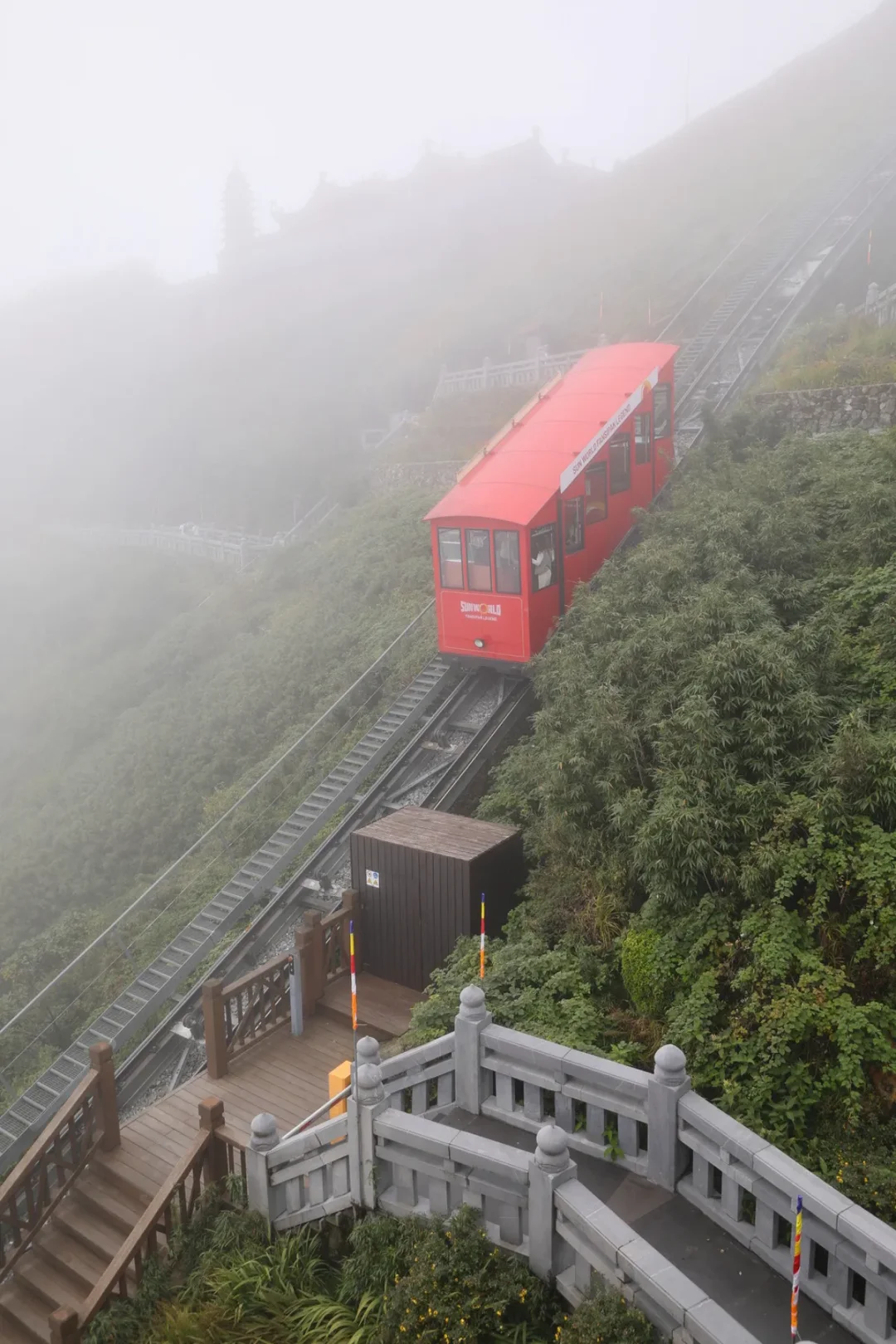
- Morning: Take the Muong Hoa Mountain Train and cable car to Fansipan, and enjoy a view of the sea of clouds from the "Roof of Indochina."
- Afternoon: After returning to the town, head to Cat Cat Village for cultural experiences and a walk through the terraced fields.
- Evening and night: Return to the center of Sapa, visit Sapa Stone Church and Sapa Lake, and enjoy mountain barbecues at the night market.
Highlights to Visit
- Tien Sa Waterfall and Suspension Bridge: The most representative natural landscape of the village, with a majestic flow and rich background layers.
- Giant Bamboo Waterwheel Area: A hydropower irrigation facility full of terraced field charm, providing excellent angles to capture the stream and indigenous culture.
- Centennial Traditional Wooden Houses: Demonstration wooden houses open for visits, offering a glimpse into the traditional fire pits and household items of H'Mong families.
- Viewing Platform: A high vantage point in the village that offers a panoramic view of the entire Muong Hoa Valley and its terraced fields.
Transportation and Arrangement Suggestions
From the center of Sapa (such as near Sapa Stone Church) to the entrance of Cat Cat Village is about 2 to 3 kilometers. The route is mainly downhill, and physically fit travelers can choose to walk (about 20 to 30 minutes) while enjoying the valley scenery; alternatively, you can take a taxi or motorbike taxi (Xe Ôm) to the entrance.
It is important to note that the internal visiting route of Cat Cat Village is a one-way stone stairway path that stretches for several kilometers. Due to the village's location in a deep valley, the return trip requires climbing a very steep uphill. It is strongly recommended that visitors take a motorbike taxi or shuttle back to Sapa town at the exit to avoid excessive physical exertion.
Important Notes
- Clothing suggestions: The area consists entirely of stone paths and stairs, with some sections being slippery due to splashing water. Please be sure to wear non-slip and comfortable sports shoes or hiking shoes.
- Respect local culture: Please be polite when visiting homes, do not enter private residences or take close-up photos of residents without permission; do not directly give cash to local children to avoid affecting their learning habits.
- Sun protection and rain gear: Mountain weather can be changeable, so it is advisable to bring a lightweight raincoat or umbrella and take sun protection measures.
Frequently Asked Questions (FAQ)
Q: How much time should I reserve for visiting Cat Cat Village?
A: It is generally recommended to reserve 2 to 3 hours. If you want to rent costumes for photos, taste local delicacies, and watch folk performances, arranging 3 hours will be more sufficient.
Q: Is Cat Cat Village suitable for the elderly or those with mobility issues?
A: The village mainly consists of long stone paths and stairs, with some sections being steep and not wheelchair accessible. If traveling with elderly companions with limited stamina, it is recommended to only walk to the first half of the viewing platform or take a shuttle at the exit.
Q: When is the best time to visit Cat Cat Village throughout the year?
A: The autumn season from September to October is the best time to visit, as the terraced fields turn golden, and the weather is cool and pleasant; from March to May, the spring climate is also pleasant, with blooming mountain flowers, making it equally suitable for travel.