Detailed Content
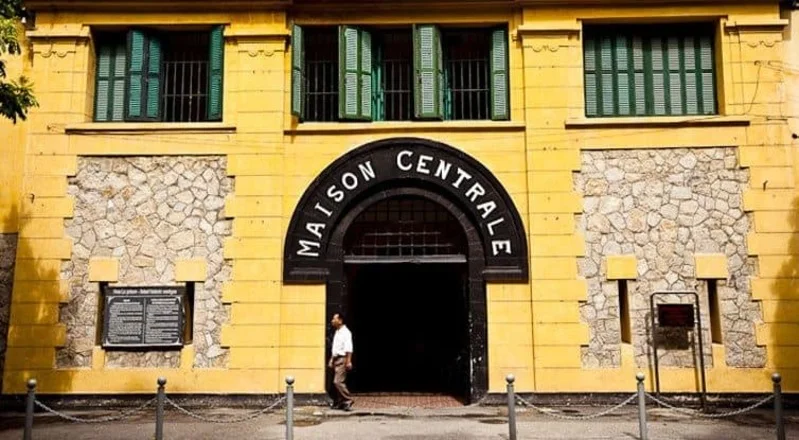
Historical Background: From Hell on Earth to Hanoi Hilton The "Hỏa Lò" was originally a village in Hanoi known for making ceramic stoves. The French colonial government flattened the village in 1896 and established the largest prison in Indochina at that time.
Colonial Period (1896-1954): The French government used it to imprison, torture, and even execute Vietnamese revolutionary patriots against colonial rule. Designed to hold only 450 people, it peaked at over 2,000 inmates, with extremely poor sanitary conditions.
Vietnam War Period (1964-1973): The North Vietnamese government used it to detain downed American pilots. American POWs humorously nicknamed the place "Hanoi Hilton," including John McCain, who later became a U.S. Senator, and Douglas Peterson, the first U.S. Ambassador to Vietnam.
Must-See Highlights
The Guillotine The most chilling artifact in the exhibition hall. These two tall guillotines were real execution devices used to execute countless Vietnamese revolutionary leaders. Although the blades are now rusted, standing in front of them still evokes the atmosphere of terror from that era, serving as undeniable evidence of the brutal methods of colonial rule.
Cachot / Dungeon Located in the darkest corner of the prison, specifically for holding "dangerous elements" or rule violators. There is no light, the space is small and damp, and prisoners' feet are shackled to long iron bars on the cement floor, with all bodily functions conducted in place. Visitors can step inside to experience the suffocating sense of oppression.
Zone E This area displays many life-sized models of prisoners, shackled with heavy leg irons and showing expressions of pain. The walls recreate the slogans and prison rules of the time, realistically depicting the inhumane living conditions of dozens of people crammed into the same bunk.
The Sewer Escape In 1945, about 100 political prisoners sentenced to death miraculously sawed through iron bars using spoons and rudimentary tools, successfully escaping through narrow underground sewers. A section of the original sewer model has been preserved, making it hard to imagine how humans survived through such narrow gaps.
The Almond Tree / Cây Bàng In the courtyard surrounded by cold stone walls, there is a giant almond tree. This tree was a spiritual refuge for the prisoners; they made chopsticks and instruments from its branches, brewed medicine from its leaves, and even ate its fruits for vitamins. This tree witnessed the resilient vitality in despair.
American Pilots' Belongings The latter part of the museum showcases the flight suits, parachutes, helmets, and personal items of American pilots. Photos on the walls depict scenes of POWs playing basketball and celebrating Christmas (from the North Vietnamese perspective), creating a stark contrast to the descriptions in American memoirs, inviting visitors to ponder the multifaceted nature of history.
Practical Information
Transportation Suggestions: Hỏa Lò Prison is located in the city center, about a 15-20 minute walk from Hoan Kiem Lake, or you can take a Grab. Its location is close to Hanoi Train Station.
Visiting Time: It is recommended to allocate 1.5 to 2 hours. Due to the large amount of information and heavy atmosphere, a quick visit is not advisable.
Audio Guide (Must Rent): It is highly recommended to rent an audio guide (available in Chinese). The guide is well-produced, not just reading the information boards, but also includes oral recordings from survivors and background sounds, significantly enhancing the visiting experience.
Dress Code: At the back of the prison, there is a memorial hall for martyrs, and this area requires formal attire. It is recommended to wear knee-length pants or skirts. If wearing sleeveless tops or shorts, staff may provide robes for coverage (or deny entry to the memorial area).
Psychological Preparation: Some exhibits (such as torture devices and models) are quite realistic and eerie; if there are young children accompanying, parents should consider this carefully.