Detailed Content
Every time I step into Hoi An Ancient Town, what fascinates me the most is not just taking a few beautiful photos, but the wonderful feeling of time travel when I turn a corner and encounter the bustling scene of a trading port from hundreds of years ago! I am an editor at VietGo, and if you ask me where in Central Vietnam you absolutely cannot miss, Hoi An is definitely on the list. This ancient town, located beside the Thu Bon River, boasts the elegance of French shutters, the grandeur of Chinese assembly halls, and the rustic charm of Japanese bridges. At night, it transforms into a water dream illuminated by thousands of handmade silk lanterns. This guide compiles the latest ticketing system, must-visit historical sites, hidden culinary gems, and itinerary arrangements to help you fully enjoy Hoi An!
Introduction to Hoi An Ancient Town: A Century-Old International Trading Port Frozen in Time
Hoi An Ancient Town is located in the downstream of the Thu Bon River in Quảng Nam Province, just about 30 kilometers from the center of Da Nang. As early as the 16th to 19th centuries, it was a bustling international trading port in Southeast Asia, referred to as "Faifo" by Western navigators. Merchants from China, Japan, the Netherlands, Portugal, and India gathered here to trade and even settled, forming their own neighborhoods.
Later, as the river silted up, large vessels could no longer enter the port, and the commercial focus gradually shifted to Da Nang. Hoi An unexpectedly escaped large-scale modernization and destruction from war. In 1999, Hoi An Ancient Town was listed as a UNESCO World Heritage Site. [UNESCO] The entire town preserves over a thousand old buildings, forming a unique living museum of architecture.
UNESCO World Heritage Centre: Hoi An Ancient Town ↗
Main Features and Unique Charm of Hoi An Ancient Town
- Bright Yellow Walls and Dark Tiled Wooden Structures: Most of the buildings in the ancient town are adorned with bright yellow walls, symbolizing nobility and warmth, paired with Chinese yin-yang tiled roofs and French shutters, exuding a rich nostalgic beauty under the sunlight.
- Handmade Silk Lantern Night View: Hoi An is known as the "City of Lanterns." As night falls, countless colorful paper and silk lanterns are lit by shops and street corners, casting a dreamlike glow over the ancient streets.
- 24-Hour Fast Fashion Custom Tailoring: Hoi An has hundreds of skilled tailor shops where travelers can choose fabrics and styles to quickly customize tailored suits, ao dai, or handmade leather shoes within 24 hours.
- Diverse Fusion Cuisine: Hoi An has a unique culinary culture, with must-try dishes like Cao Lau, White Rose, and fried wontons that you can't find elsewhere.
Who Should Visit Hoi An Ancient Town?
Hoi An Ancient Town is a highly inclusive travel destination:
- History and Culture Enthusiasts: You can deeply explore century-old Chinese assembly halls, ancestral temples, and traditional wooden houses through the ticketing system, savoring the details of the cultural blend of China, Japan, and Vietnam.
- Photography and Aesthetic Lovers: Whether it's the yellow walls and flower seas during the day, strolling in ethnic costumes, or the lantern reflections on the Thu Bon River at night, every corner is a perfect photo spot.
- Couples and Honeymooners: In the evening, take a traditional wooden boat together and gently release a wish lantern on the river, creating a romantic atmosphere.
- Families with Children: The ancient town has pedestrian-only street hours, making it very comfortable for leisurely walks with elders and children while enjoying delicious food.
Four Must-Visit Highlights in Hoi An Ancient Town
1. Japanese Covered Bridge
This wooden covered bridge spans a creek and was built in the late 16th to early 17th century, originally constructed by the Japanese merchant community residing in Hoi An to connect the Chinese and Japanese districts. The bridge houses a shrine to the Northern Deity, symbolizing peace and safety, and its unique and rustic design makes it the most representative landmark of Hoi An.
2. Chinese Assembly Halls (Fujian Assembly Hall, Cantonese Assembly Hall)
Chinese merchants who traveled across the sea to Taiwan and Southeast Asia established several grand assembly halls. Among them, the Fujian Assembly Hall is the largest, dedicated to the goddess Mazu, featuring exquisite dragon carvings and deep incense rings in its courtyard; the Cantonese Assembly Hall is known for its elegant wood carvings and unique dragon-shaped fountain.
3. Tan Ky Old House
With a history of over a hundred years, Tan Ky Old House is a model of ancient merchant residences in Hoi An. The entire building perfectly blends Chinese mortise and tenon structures, Japanese roof lines, and traditional Vietnamese skylights for natural lighting. Beautiful shell-inlaid poetry is carved on the beams, and the walls even retain marks of historical flood levels, witnessing the town's tumultuous history.
4. Night Cruise on the Thu Bon River and Lantern Release Experience
As the sun sets below the horizon, the banks of the Thu Bon River come alive. You can rent a traditional wooden boat to sail in the river, purchasing handmade paper lanterns from local vendors, making a wish, and gently placing them on the water, watching the flickering candlelight drift along, creating the most romantic night scene in Hoi An.
Recommended Activities and Itinerary Suggestions
【One-Day Tour Suggested Route】
- Morning: Arrive at Hoi An Ancient Town, stroll through the bright yellow streets, visit the Japanese Covered Bridge, Fujian Assembly Hall, and Tan Ky Old House, and experience handmade tailoring or browse custom tailoring shops.
- Lunch: Enjoy Hoi An's three treasures (Cao Lau, White Rose, and fried wontons) at a restaurant in an old house, then relax at a famous café with a cup of Vietnamese coconut coffee.
- Afternoon: Head to the nearby Cam Thanh to experience the thrilling and fun bamboo basket boat ride through the water coconut forest.
- Evening and Night: Return to the banks of the Thu Bon River, enjoy the sunset, then take a boat to release lanterns and visit the Hoi An Night Market, experiencing the enchanting charm of the sea of lanterns.
【Nearby Attractions Connection】
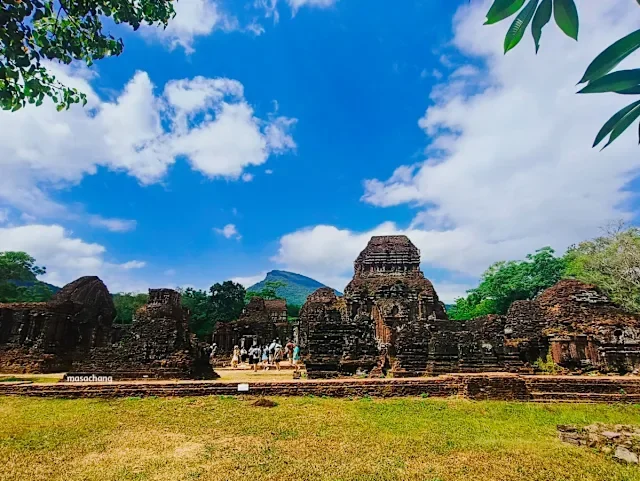
If you stay in Hoi An for 2 to 3 days, you can use Hoi An Ancient Town as a base to visit the world heritage site My Son Sanctuary, which is about an hour's drive away, or head to An Bang Beach to enjoy the sunny vacation.
Transportation and Visiting Arrangement Suggestions
From Da Nang city center or Da Nang International Airport, it takes about 30 to 45 minutes to reach Hoi An Ancient Town. The most convenient way is to book a private car transfer through a travel platform or take a Grab taxi; budget-conscious independent travelers can also choose public buses or rent scooters.
Within the ancient town, the best way to get around is by "walking" or "renting a bicycle." The ancient town has designated pedestrian street hours every day (from 09:00 to 11:00 and from 15:00 to 21:30), during which motor vehicles are prohibited, making it very safe and comfortable to explore.
Visiting Notes
- Preservation of the Ancient Town Ticket: After purchasing the foreign tourist ticket, please keep the ticket stub safe. The ticket includes 5 attractions with cut corners and is valid during your stay in Hoi An; staff will cut corners when entering certain assembly halls or old houses.
- Dress Code Regulations: Assembly halls and temples are solemn religious places. When visiting, please wear knee-length pants or skirts and cover your shoulders to avoid overly revealing clothing.
- Boat Prices and Tips: When taking a boat on the Thu Bon River to release lanterns, it is usually necessary to negotiate the price with the boatman on-site. It is recommended to confirm the price, sailing time, and whether lanterns are included before boarding, and you can give a small tip to express gratitude afterward.
- Sunscreen and Mosquito Protection: During the day, the outdoor sun is strong; it is advisable to prepare a sun hat, sunglasses, and sunscreen. In the evening, there are more mosquitoes by the river, so carrying mosquito repellent will make your trip smoother.
Common Questions about Hoi An Ancient Town (FAQ)
Q1: Do I need to buy a ticket just to stroll and take photos on the streets of Hoi An Ancient Town?
In principle, if you are only walking on the streets of the ancient town, visiting the open-air night market, or dining at riverside restaurants, you do not need to show a ticket. However, if you plan to enter and visit the interior of the Japanese Covered Bridge, Chinese assembly halls, old houses, museums, or watch traditional performances, you must purchase the "Ancient Town Ticket." Maintaining the heritage requires financial support, and buying a ticket is also a contribution to preserving this world heritage!
Q2: How long is appropriate to spend in Hoi An Ancient Town? Should I stay overnight?
If time is tight, half a day (about 4-6 hours) is enough to visit the main historical sites and enjoy the night view; however, I strongly recommend "staying in Hoi An for one to two nights." The serene beauty of the yellow alleys in the early morning without crowds and the soft glow of lanterns at night cannot be experienced by those on a quick half-day trip.
Q3: When is the most famous "Full Moon Lantern Festival" in Hoi An?
Hoi An holds the "Full Moon Festival" on the evening of the 14th day of each lunar month. On that night, the shops in the ancient town turn off modern lights, and the entire street is illuminated only by rustic lanterns and candles. Traditional Vietnamese opera and folk games like Bai Choi are performed on the streets, making it a lively and culturally rich event.