Detailed Content
If you're looking for a place in Hanoi where you can immerse yourself in rich historical culture while taking a leisurely stroll and capturing photos, the Temple of Literature (Văn Miếu – Quốc Tử Giám) located in the city center is definitely my top recommendation! Unlike the usual bustling commercial areas, stepping through the ancient gates here allows you to feel the serene and elegant atmosphere surrounded by lush greenery. Join the VietGo editor as we explore this thousand-year-old Confucian sanctuary and discover the highlights of Vietnam's first university that you shouldn't miss!
Historical Background: Respect for Teachers and the Birth of Vietnam's Highest Institution of Learning
The Temple of Literature is located in Đống Đa District of Hanoi, consisting of two main areas: the Temple of Literature and the Imperial Academy. The Temple of Literature was established in 1070 (during the reign of Emperor Lý Thánh Tông) initially to honor Confucius, Duke Zhou, and the seventy-two sages of Confucianism; subsequently, in 1076, Emperor Lý Nhân Tông established the Imperial Academy next to the Temple of Literature, specifically to educate royal offspring and noble officials, which later gradually opened to outstanding common students across the country, becoming the first highest institution of learning in Vietnam's history.
This monument has withstood nearly a thousand years of dynastic changes and the ravages of war, yet it still preserves well the traditional wooden architecture and Eastern garden layout. The most precious treasure within the complex is undoubtedly the well-preserved 82 Doctoral Stele, each resting on the back of a stone turtle, recording the names and origins of the successful candidates from the imperial examinations held between 1442 and 1779. These steles were inscribed on UNESCO's "Memory of the World Register" in 2011.[UNESCO]
UNESCO Memory of the World Register: Stone Stele Records of Royal Examinations (1442-1779) ↗
Layout of the Complex and Four Must-See Highlights
The Temple of Literature adopts a traditional Eastern axial symmetrical five-entrance garden architectural layout, with each entrance featuring its unique architectural design and symbolic meaning:
- Khue Van Pavilion: Built in 1805 (during the Nguyễn Dynasty), this red two-story wooden pavilion is the iconic structure of the Temple of Literature, with its round windows on the top floor symbolizing the brilliance of the Khue star. It is not only the official symbol of Hanoi but also the design featured on the back of the 100,000 VND banknote, making it a must-take photo landmark.
- Thien Quang Well: Located behind the Khue Van Pavilion, this square pond symbolizes "absorbing the essence of heavenly light." The clear water reflects the surrounding ancient trees and red-tiled roofs, bringing a unique sense of tranquil beauty.
- Doctoral Stele Garden: Located on both sides of the Thien Quang Well within two long corridors, there are 82 Doctoral Steles resting on the backs of stone turtles. The ancients believed that turtles represent longevity and resilience, and inscribing the names of successful candidates on their backs symbolizes that their achievements will be remembered for generations.
- Dai Bai Duong & Thai Hoc House: The Dai Bai Duong is the main worship area, dedicated to Confucius and his four outstanding disciples; the Thai Hoc House at the back was where students of the Imperial Academy used to lecture and study, and now serves as an exhibition space showcasing historical artifacts related to Vietnam's ancient imperial examination system and contributions from various educators throughout history.
Night Immersive Experience: When a Thousand-Year-Old Monument Meets a 3D Light Show
In addition to daytime strolls through the monument, the Temple of Literature has recently launched a new nighttime experience called "Trải nghiệm Đêm Văn Miếu." After nightfall, the complex uses modern 3D mapping projection technology, traditional music performances, and virtual interactive devices to vividly recreate the stories of Vietnamese students studying hard for their examinations centuries ago. If you have ample time in your Hanoi itinerary, I highly recommend scheduling a night visit to experience a completely different vibrant atmosphere from the daytime.
Suitable Types of Travelers
- History and Culture Enthusiasts: Gain an in-depth understanding of the development of Confucianism in Vietnam, the imperial examination system, and the history of ancient dynasties.
- Architecture and Photography Lovers: The red-tiled roofs, towering ancient trees, and symmetrical beauty of the Khue Van Pavilion make it perfect for capturing ancient-style or artistic photos.
- Families with Children: The complex is flat and easy to walk around, with a high canopy coverage, combining intellectual education with leisurely strolls.
- Students Seeking Academic Success: Even today, during examination seasons, many local Vietnamese students come to pray for academic progress and successful exams.
Visiting Guidelines and Dress Etiquette
As the Temple of Literature is a solemn religious and cultural site dedicated to Confucius and the sages, please pay attention to the following regulations during your visit:
- Dress Appropriately: Please do not wear sleeveless tops, overly short shorts, skirts, or excessively revealing clothing. If your attire does not meet the standards, you may be required to rent a shawl or be denied entry to the worship area.
- Protect the Monument: In the past, there was a custom of touching the turtle's head for good luck, but currently, all Doctoral Steles have protective barriers set up, so please do not cross the barriers or touch the monument.
- Maintain Silence: When entering the Dai Bai Duong and worship halls, please lower your speaking volume to respect the people praying and the religious atmosphere.
Transportation Guide and Suggested Nearby Itineraries
The Temple of Literature is located in the center of Hanoi, just about 2 kilometers from Hoan Kiem Lake, making transportation very convenient:
- By Grab / Taxi: From the Old Quarter or Hoan Kiem Lake, the ride takes about 8-12 minutes, costing approximately 30,000 - 50,000 VND.
- By City Bus: You can take bus routes 02, 23, 38, 41, and get off at the bus stop near the Temple of Literature and walk there.
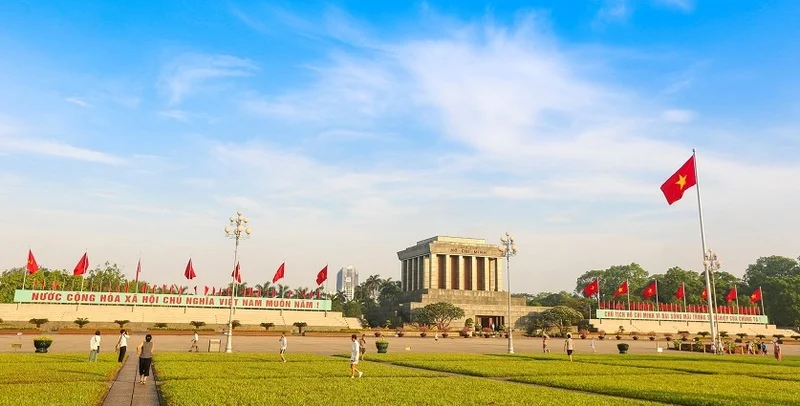
- Recommended Itinerary: It is advisable to allocate 1.5 - 2 hours to visit the Temple of Literature, and then visit the Vietnam National Museum of Fine Arts, which is just a 5-minute walk away, or extend north to the Imperial Citadel of Thăng Long, Ho Chi Minh Mausoleum, and One Pillar Pagoda, creating a rich intellectual day trip in Hanoi.
Frequently Asked Questions (FAQ)
Q1: How much time should I reserve for visiting the Temple of Literature?
Generally, it is recommended to reserve 1.5 to 2 hours for daytime visits; if you plan to rent an audio guide or participate in the nighttime 3D light show, it is advisable to reserve 2 to 2.5 hours.
Q2: Can I pay for tickets by card? Is there an audio guide available on-site?
The ticket office recommends having cash in Vietnamese Dong on hand. There is a rental service for audio guides in multiple languages (including Chinese) available on-site, which is highly recommended for a deeper understanding of the historical stories of each area.
Q3: When is the best time to visit for quality experience?
Morning from 08:00 - 10:00 has fewer crowds and cooler weather, making it the best visiting time; after 15:30 in the afternoon, the lighting is soft, suitable for photographing the ancient architectural structures.