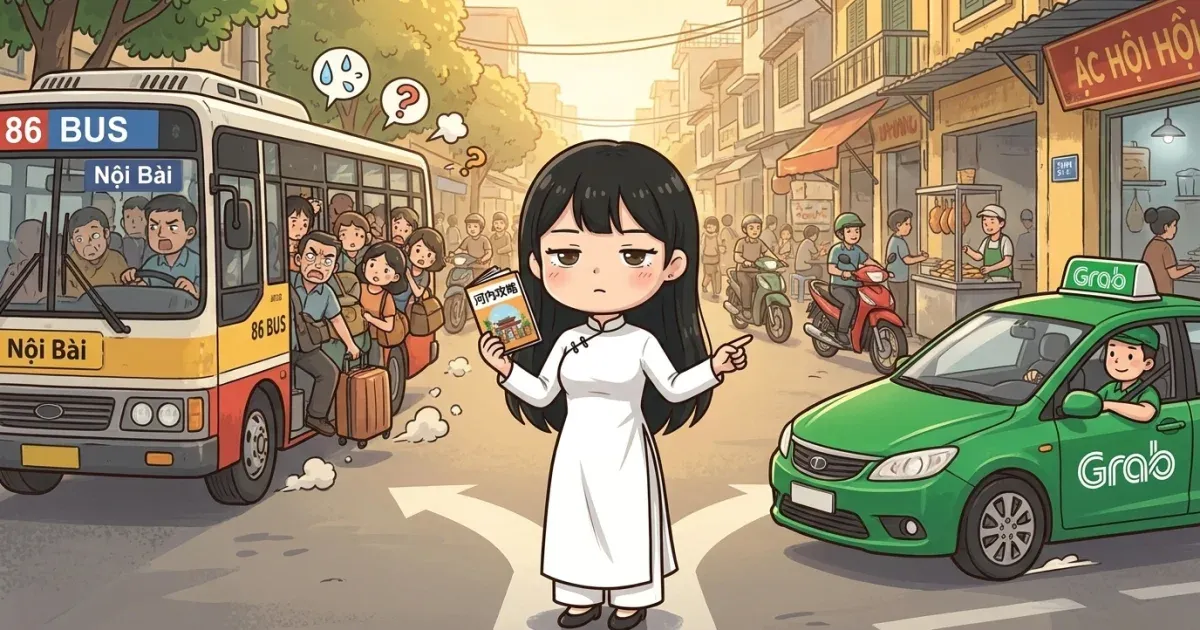
How to Enjoy Hanoi on a Free Trip: How Many Days is Just Right?
The most effortless and relaxed arrangement is 4–5 days: using Hoan Kiem Lake and the Old Quarter as a base, walking + Grab to connect city attractions; choose a day to find a local Chinese-speaking guide to accompany you, visiting historical sites and markets during the day, and sitting on low stools at night to drink fresh beer and chat, understanding the lifestyle and thoughts of Hanoi people directly in your familiar language. Use Grab for city transportation, focus on concentrated areas for attractions, and budget daily expenses at around NT$1,200–2,500 per person (excluding airfare and high-end restaurants). Important ticket prices and opening hours are summarized below.
Attraction Area Breakdown: Old Quarter Charm vs. Ba Dinh Historical Core
Hoan Kiem Area and the Old Quarter: Explore Within Walking Distance
This area is suitable for familiarizing yourself with the city's rhythm on the first day: walk from Hoan Kiem Lake to Ngoc Son Temple (entrance fee 50,000 VND, cross the red The Huc Bridge to reach it; see VietGo Attraction Page), then walk to St. Joseph's Cathedral and the Thang Long Water Puppet Theatre. In the evening, dive into the alleys of the Old Quarter, and after dinner, head to Ta Hien Beer Street to experience Hanoi's nightlife.
- If you want to grasp the essence of the Old Quarter in one go, refer to the Old Quarter and St. Joseph's Cathedral.
- If you're interested in nightlife, go to Ta Hien Beer Street to sit on low stools and enjoy a glass of Bia Hơi (fresh beer).
Common situation: The traffic in the alleys of the Old Quarter mixes with pedestrians, so remember to maintain a steady pace when crossing the street and let motorcycles anticipate your path; keep valuables close.
Ba Dinh Area and the University District: Walk the Historical Axis in One Go
During the day, start at the Imperial Citadel of Thang Long (entrance fee 100,000 VND, open Tuesday to Sunday 08:00–17:00, closed on Mondays; information is based on the official website (source)).
Then head to the Temple of Literature (entrance fee 70,000 VND; address: Quốc Tử Giám 58; the back of the 100,000 VND banknote features the "Quy Van Pavilion" inside the museum; source), and finally, depending on your stamina, connect to Ba Dinh Square.
A connecting point between the two areas can include Hoa Lo Prison (entrance fee 50,000 VND, open daily 08:00–17:00; source). This route can connect memories of the colonial period, modern history, and the Vietnam War all at once.
One-Day Local Guide: Not Just Leading the Way, But Making Friends in Your Language
Hire a local Chinese-speaking guide for a day, focusing not just on "explaining attractions," but removing the language barrier: you can ask about ordering at street stalls, why Vietnamese coffee is often sweet, and how to chat with market vendors, all in your native language, understanding the politeness, values, and life rhythm of Hanoi people through conversation. It is recommended to keep the pace relaxed, allowing the chat to naturally extend to topics you care about most.
Common situation: The guide also serves as a communication bridge, helping you try egg coffee, sit on low stools to drink fresh beer, and teaching you how to interact briefly with shop owners; you can also ask them for real-time translation, note down local snacks, and suggestions for the next few days' itinerary.
What Can You Talk About? Here Are Some Good Starters
- Everyday polite phrases and small gestures: how to bargain politely at the market, when you don't really need to negotiate.
- Commute and daily routines: why coffee shops are always full during rush hours? The favorite breakfast combinations of students and office workers.
- Details about food and drink: what herbs should be added to pho for the right flavor? How to drink egg coffee without it being too sweet? The difference between Bia Hơi and bottled beer.
- Unwritten rules in social situations: the order of toasts, unspoken agreements on bill payments, and the division of responsibilities when ordering small dishes.
How to Choose and Arrange for the Best Value
Editors recommend scheduling the "guide day" on the first 1–2 days to establish your sense of the city and knowledge of local life, allowing you to explore more smoothly in the following days. If you value photography or topic-oriented experiences (history, architecture, food), communicate your themes with the guide in advance for a more tailored itinerary.
Common pricing (for budgeting purposes only, subject to seasonal and supply-demand fluctuations; please check actual quotes when booking): private Chinese-speaking guide daily fees typically range from USD 50–100 (approximately 1,300,000–3,000,000 VND; NT$1,600–3,400), excluding transportation and meal costs; if you add a vehicle and suburban travel, the cost will increase.
Classic 5-Day 4-Night Itinerary: City Historical Sites + One Day with a Local Guide + Suburban
- Day 1 Arrive in Hanoi → Hoan Kiem Lake and Ngoc Son Temple → Food exploration in the Old Quarter → Night visit to Ta Hien Beer Street.
- Day 2 (Local Guide Day) Imperial Citadel of Thang Long (Official Website) → Temple of Literature (Official Website) → Stroll through traditional market snacks → In the evening, sit on low stools to drink Bia Hơi and chat about the daily life of Hanoi people.
- Day 3 Suburban Day Trip: Halong Bay cruise or Ninh Binh land and sea ecological experience (choose bus or small group based on budget and time).
- Day 4 Hoa Lo Prison → St. Joseph's Cathedral → Shopping and viewing at Lotte Center.
- Day 5 Morning coffee tour → Shopping for dry goods in the Old Quarter → Head to the airport.
Editor’s suggestion: If your itinerary includes a water puppet show, consider scheduling the performance on Day 1 or Day 4 evening, as walking back and forth is the most convenient (refer to VietGo Theatre Page).
4-Day 3-Night Quick Version: Key Highlights Without Missing Anything
- Day 1 Arrive → Stroll around Hoan Kiem Lake and the Old Quarter → Water puppet show → Night market.
- Day 2 (Guide Day) Imperial Citadel → Temple of Literature → Market and street snacks → Beer street.
- Day 3 Hoa Lo Prison → St. Joseph's Cathedral → Afternoon free choice of museum or café exploration.
- Day 4 Morning coffee + souvenirs → Airport.
If you particularly want to take photos of the "Train Street," you can fit it in on the afternoon of Day 2 or Day 3, remembering to follow the entry rules (see the next section).
Latest Regulations and Safety Points for Train Street
Fact: Currently, large bus tours are prohibited from entering Hanoi's Train Street; independent travelers must be seated and served by authorized café owners along the railway and follow their instructions and maintain a safe distance before the train passes; see VietGo Guide for details.
Common situation: Seats are tight during peak hours, and train schedules may occasionally change. Editors recommend arriving at the café before evening, enjoying inside first, and then waiting for the train; do not stand on the tracks for selfies or ignore the café's warning lines.
How to Get Around: Grab, Walking, and Airport Connections
City Transportation: Primarily Grab, with Walking Supplement
Fact: Grab is well-established in Hanoi, with transparent pricing, effectively avoiding the risks of roadside haggling or detours. For short distances, walking connects Hoan Kiem Lake, the Old Quarter, and the cathedral; for inter-area travel (Old Quarter ↔ Ba Dinh), Grab is the most time-efficient.
Common situation: Traffic congestion during peak hours, fluctuating fares; if street closures or rainy weather occur, it is advisable to leave early. Editors suggest getting in and out of the hotel for rides and confirming the Vietnamese spelling of your destination before getting in.
Airport to City: Allow 60–90 Minutes
The trip from the domestic terminal to the Old Quarter takes 40–60 minutes depending on traffic; it’s safer to allow 90 minutes during peak or rainy days. For those preferring public transport, keep an eye on airport express and city bus information, but schedules and fares may change, so please refer to on-site or official announcements.
Quick Reference for Ticket Prices and Key Information (Based on Official Announcements)
- Imperial Citadel: 100,000 VND; open Tuesday to Sunday 08:00–17:00, closed on Mondays.
- Temple of Literature: 70,000 VND; address Quốc Tử Giám 58; the back of the 100,000 VND banknote features "Quy Van Pavilion" inside the museum.
- Hoa Lo Prison: 50,000 VND; open daily 08:00–17:00.
- Ngoc Son Temple: 50,000 VND; located on Jade Island in Hoan Kiem Lake, accessed via The Huc Bridge.
Editors suggest: Most museum-type attractions are closed on Mondays, so avoid scheduling on those days; ticket prices and opening hours may occasionally change, so check for updates on the official website before your trip.
Budgeting and Tipping Customs
Common range (excluding airfare and accommodation): Daily expenses per person are around NT$1,200–2,500, covering Grab city transportation, general admission tickets, three meals, and coffee snacks; if you add a suburban day trip or private guide, the budget will need to be adjusted.
- Private Chinese-speaking guide daily fee: typically USD 50–100/day (approximately 1,200,000–2,400,000 VND), varying based on experience, season, and whether transportation is included; please confirm details and language before booking.
- Suburban day trips (Halong Bay/Land Dragon Bay): usually available as group or small group options, with significant price differences including transfers and lunch; please refer to the supplier's current pricing.
- Dining estimates: Street-side Vietnamese breakfasts, pho, and coffee are generally affordable, while prices at upscale restaurants and bars are comparable to those in Taipei.
- Tipping culture: not mandatory; most restaurants do not charge service fees, but a small cash gesture is appreciated for excellent service; common practice for guides/drivers is to give a discretionary tip at the end of the itinerary.
Best Seasons and Packing Tips
Fact: From October to April of the following year, the weather is relatively cool and less rainy, making walking comfortable; May to September is hot and humid, with frequent afternoon thunderstorms. Common situation: significant temperature differences between morning and evening and the air conditioning in vehicles.
Editors suggest: In autumn and winter, bring a light jacket and comfortable walking shoes; in summer, pack lightweight quick-dry clothing, hats, and mosquito repellent. For religious and memorial sites (like the Temple of Literature), it is recommended not to wear overly revealing clothing.
Common Pitfalls and Easy Tips
- Taxis and Hailing: Roadside hailing can be risky; using Grab or calling a taxi from the hotel is the safest; if you must stop, confirm if the meter is running and whether the change is correct.
- Ordering at Restaurants: Vietnamese dishes often come with a lot of herbs; if you don't eat cilantro or specific spices, make sure to specify when ordering; ice and sweetness levels can be adjusted in advance.
- Currency Exchange and Payment: Cash in VND is the most practical, with many exchange services at the airport and in the city; large shopping malls accept cards, but many small shops prefer cash. It is advisable to prepare small denominations for easy payment of fares and street vendors.
- Crossing the Street: Walk steadily and do not rush, making eye contact with oncoming vehicles and maintaining a straight pace; be extra cautious at night or in rainy weather.
Want to Explore Further? Save These Pages
- Comprehensive Guide to Hanoi Attractions (VietGo): Quickly check the location and activities of each attraction.
- Imperial Citadel, Temple of Literature, Hoa Lo Prison: Complete the historical timeline all at once.
- Hanoi Train Street: Latest entry methods and safety regulations.
- Hoan Kiem Lake & Ngoc Son Temple: How to take photos and explore the core of the Old Quarter.
In One Sentence: Who Should Consider Hiring a Guide for a Day?
If you want to ask all your curiosities in your own language and learn the small details of "ordering food, chatting, and toasting," arranging a day with a local Chinese-speaking guide is the best choice; for the remaining days, follow the regional routes outlined in this article, and Hanoi will offer you just the right pace, allowing you to enjoy efficiently while bringing home the warmth of human connections.
```
![[2026 Latest] How to Choose a Massage in Vietnam for the First Time? Locals Teach You How to Avoid Tourist Traps, Spend Wisely, and Enjoy a More Comfortable Experience!](https://cdn.viet-go.com/public/articles/images/1784002251-6a55b6cbd58fe.webp)

![[2026 Latest] Must-See for Traveling to Vietnam: Complete Guide to PAI Entry Declaration at Hanoi Noi Bai Airport (Including Important Notes)](https://cdn.viet-go.com/public/articles/images/1780995368-6a27d528902d2.webp)