Detailed Content
Hộ Quốc Temple: Introduction to the Attraction and Its Geographical Feng Shui Background
Hello, fellow travelers preparing to explore Phu Quoc Island! When mentioning this beautiful Pearl Island, many people's first impression might be the blue sea and sky along with luxurious resorts. However, if you want to arrange a serene cultural pilgrimage to cleanse your soul during your trip, then this "Hộ Quốc Temple (Chùa Hộ Quốc / Thiền viện Trúc Lâm Hộ Quốc)" nestled between the mountains and the sea will absolutely amaze you. Hộ Quốc Temple belongs to the famous "Trúc Lâm Zen Sect (Thiền viện Trúc Lâm)" in Vietnam and was officially inaugurated in 2012. The entire temple covers a vast area, located on the hillside in the southeastern part of Phu Quoc Island, presenting a classic feng shui layout of 'backed by green mountains and facing the sea.'
The term "Hộ Quốc" means "to protect the nation and defend the coastal borders," embodying the local residents' prayers for peace over this blue sea and island. Unlike the tranquil sense of time found in ancient temples in northern Vietnam, Hộ Quốc Temple perfectly blends the classical architectural aesthetics of the Ly and Tran dynasties with the natural mountains and seas of the tropical island. Many of the beam and column structures in the temple are made from high-quality precious ironwood (Gỗ Lim), and the rustic red-tiled roofs and intricately carved beams shine brilliantly under the sun, attracting countless travelers who love culture, photography, and religious architecture to come and pay their respects.
Four Major Highlights and Architectural Features of Hộ Quốc Temple
When visiting Hộ Quốc Temple, besides feeling the cool breeze and the sound of chanting in the mountains, there are several noteworthy features and photo spots within the temple that are worth savoring:
1. The Double Dragon Stone Carved Staircase and the Ascending Dragon Imagery
Upon entering the temple courtyard from the foot of the mountain, the first thing that catches your eye is a steep stone staircase with about 70 steps leading upwards. The central part of the staircase is carved with a magnificent giant blue stone double dragon cloud pattern relief, creating a powerful atmosphere. As you ascend the steps on either side of the staircase, every few steps you take, turning back to gaze at the distant blue sea makes the view appear even broader, making it the perfect spot for capturing the stunning angle of 'temple and sea in one frame.'
2. The Giant Jade Buddha and the Majestic Main Hall
Reaching the top of the stone staircase brings you to the main structure of the temple, the "Đại Hùng Bảo Điện (Great Hero Hall)." In the courtyard in front of the hall, there is a statue of a jade Buddha carved from a single piece of jade, with delicate lines and a warm luster. The interior of the Great Hero Hall is entirely supported by solid wooden pillars, housing statues of the Buddha and various Bodhisattvas in a high space filled with a faint scent of wood and incense, creating an extremely solemn atmosphere.
3. The White Marble Guanyin Statue Standing Between Mountains and Sea
In the side square of Hộ Quốc Temple stands a graceful Guanyin statue made entirely of white marble. The Guanyin statue faces the vast Gulf of Thailand, holding a pure vase in her hand, as if blessing fishermen heading out to sea and travelers arriving from afar. The white Guanyin statue appears particularly ethereal against the backdrop of blue skies, white clouds, and green mountains.
4. The Bell and Drum Towers with Panoramic Views of the Sea and Sky
On either side of the Great Hero Hall are exquisitely built bell and drum towers, with the antique wooden architecture complementing the cliffside scenery. Standing on the viewing platform at the edge of the square, you can take in the pristine forests, rocky coastlines, and endless blue sea of Phu Quoc Island, making it an excellent secret spot for watching sunrises and morning light on the island.
Recommended Experiences for Travelers
Hộ Quốc Temple is very suitable for the following types of travelers to include in their Phu Quoc itinerary:
- Photography enthusiasts who love culture: The ancient stone-carved dragon staircase and red-tiled wooden structures against the backdrop of the blue sea make for stunning Eastern aesthetic photos at every turn.
- Families traveling together with elders: The serene environment and smooth pathways within the temple are ideal for families to stroll together, pay respects, and pray for a safe and smooth journey.
- Travelers seeking relaxation: Away from the noisy urban areas, sitting beside the bell tower while enjoying the sea breeze and the sounds of waves and wind chimes can provide complete tranquility and relaxation for the soul.
Itinerary Suggestions and Nearby Attractions
Hộ Quốc Temple is located on the southeastern side of Phu Quoc Island, making it very convenient to connect with popular attractions in the southern part of the island for a day or half-day tour:
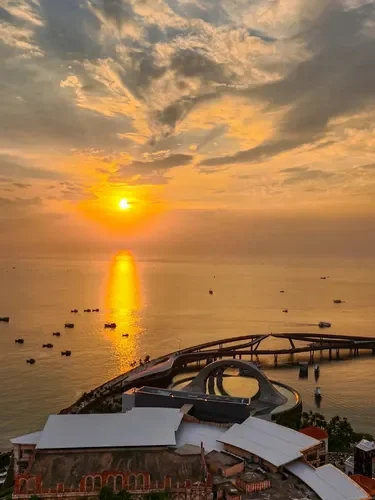
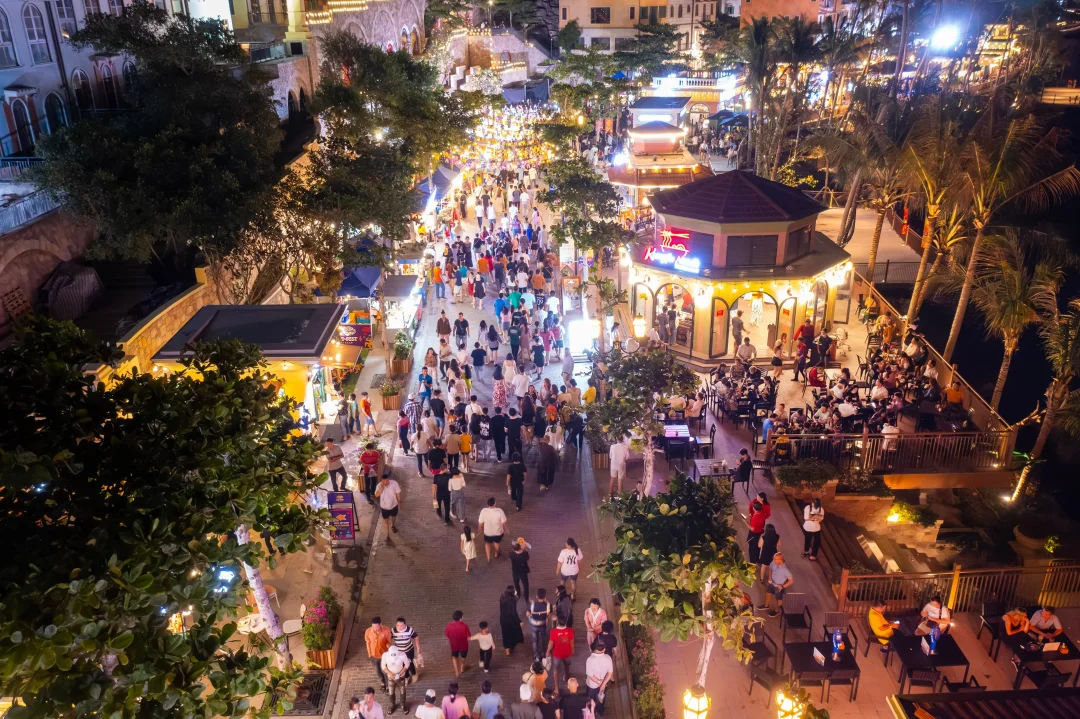
- Selected Route: Morning visit to Hộ Quốc Temple for worship and sea photography ➔ Lunch at Milk Beach (Bãi Sao) enjoying seafood and beach activities ➔ Afternoon visit to Sunset Town to explore Kiss Bridge ➔ Evening watch the "Ocean Kiss" fireworks show or visit the VUI-Fest seaside night market.
- Cultural and Historical Route: Hộ Quốc Temple ➔ Phu Quoc Old Prison Historical Site ➔ Fish Sauce Factory Experience ➔ Dinner at Dương Đông Night Market.
Transportation Options and Visiting Time Recommendations
The drive from Phu Quoc International Airport to Hộ Quốc Temple takes about 15 to 20 minutes; if departing from the center of Dương Đông Town, it takes about 35 to 40 minutes. The roads leading to Hộ Quốc Temple are all well-paved, making transportation very convenient:
- Taxi / Grab: The most convenient option for independent travelers, with reasonable one-way fares. You may also consider chartering a vehicle for a multi-attraction itinerary in the south.
- Motorbike Rental: If you have proficient riding experience, riding a motorbike along the well-maintained roads of the island allows you to enjoy the sea breeze and coastal scenery along the way.
Visiting Guidelines and Etiquette
Hộ Quốc Temple is a solemn religious site, so please be sure to observe local culture and temple etiquette when visiting:
- Dress Code: Please wear knee-length pants or long skirts for entry, and avoid wearing sleeveless, deep V, or overly revealing tops. If wearing shorts, some areas on-site may require you to rent or use a shawl to cover up.
- Worship Etiquette: Please remove your shoes before entering the interior of the Great Hero Hall; maintain silence inside the hall and refrain from loud talking or running.
- Sun Protection and Trail Preparation: There are many steps in the temple, so it is recommended to wear comfortable and easy-to-remove shoes; during the day, the sun is strong, so remember to prepare sunglasses, a sun hat, and plenty of water.
Frequently Asked Questions (FAQ) about Hộ Quốc Temple
Q1: Is there an entrance fee for Hộ Quốc Temple?
No, Hộ Quốc Temple is a free religious site open for visits. There is a donation box inside, and travelers can freely contribute incense or make offerings as they wish.
Q2: Are there any dress restrictions for visiting Hộ Quốc Temple?
Yes, as a religious site, please dress appropriately when visiting Hộ Quốc Temple, covering shoulders and knees, and avoid wearing tank tops, shorts, or overly tight and revealing clothing.
Q3: How long is it recommended to stay at Hộ Quốc Temple?
It is generally recommended to reserve 1 to 1.5 hours. This time is sufficient for you to slowly ascend the stone steps, worship at the Great Hero Hall, photograph the white marble Guanyin and the sea view, and take a short break at the viewing platform to enjoy the scenery.