Detailed Content
If you want to find a place in Hanoi with the most expansive view, where you can truly feel the weight of Vietnam's national history and solemn atmosphere, the editor at VietGo highly recommends you visit "Ba Dinh Square" (Ba Đình Square / Quảng trường Ba Đình) in Ba Dinh District! Many first-time travelers to Hanoi may be accustomed to the hustle and bustle of the Hanoi Old Quarter, but once you step into Ba Dinh Square, the spaciousness, solemnity, and lush greenery will immediately provide you with a completely different visual shock. Whether you want to witness the solemn flag-raising ceremony of the honor guard or plan a classic half-day tour covering Ho Chi Minh Mausoleum, the Presidential Palace, and One Pillar Pagoda, this is a landmark in the heart of Hanoi that you absolutely cannot miss! Follow the editor's footsteps and let's dive deeper into this historical site!
Attraction Introduction: Witnessing the Cradle of National Birth
Ba Dinh Square is located in the core area of Ba Dinh District in Hanoi, and it is the largest public square in Vietnam. During the French colonial period in the 19th century, this area was originally a lowland and garden, known as "Place Puginier" or "圆形广场". It was not until after the success of the August Revolution in 1945 that it was officially renamed "Ba Dinh Square" to commemorate the Ba Dinh Uprising initiated by Phạm Bành and Đinh Công Tráng at the end of the 19th century.
On September 2, 1945, President Ho Chi Minh set up a makeshift podium at Ba Dinh Square and personally read the Declaration of Independence in front of hundreds of thousands of compatriots, officially declaring the establishment of the Democratic Republic of Vietnam, thus opening a new chapter in Vietnam's modern history. [Vietnam National Tourism Administration]
Vietnam National Tourism Administration: Ba Dinh Square praised by Argentine newspaper ↗
Today, this magnificent square, approximately 320 meters long and 100 meters wide, is not only the most important venue for national celebrations, parades, and receiving foreign guests in Vietnam but also a spiritual sanctuary in the hearts of all Vietnamese people.
Main Features: A Symphony of Lush Lawns and Solemn Landmarks
Upon entering Ba Dinh Square, the most eye-catching feature is the neatly arranged green square lawns on the ground. The square is divided into hundreds of square patches of perennial grass, separated by wide cement and gravel pathways. These lawns visually extend an excellent perspective, symbolizing the vitality of life and the imagery of traditional villages.
In the center of the square stands a towering flagpole, 29 meters high, with the red background and gold star of the Vietnamese flag fluttering in the breeze under the clear blue sky. To the west of the square is the solemn and grand granite building of Ho Chi Minh Mausoleum, while to the east is the modern National Assembly Building of Vietnam, and to the north is the yellow French-style Presidential Palace, creating a unique landscape where traditional history and modern politics intersect.
Visiting Highlights: Daily Flag-Raising Ceremony and Solemn Atmosphere
When visiting Ba Dinh Square, the most unmissable experience is the national-level "Flag-Raising Ceremony" (Lễ thượng cờ - hạ cờ) held daily. This ceremony was officially established in 2001 and has become one of the most sacred moments in Hanoi every day.
- Morning Flag-Raising Ceremony: In summer, it takes place at 06:00, and in winter at 06:30. In the early morning, 37 soldiers dressed in white uniforms escort the national flag into the square, slowly raising it amidst the majestic national anthem. [Vietnam National Tourism Administration]
Vietnam National Tourism Administration: The sacred flag-raising ceremony at Ba Dinh Square ↗
- Evening Flag-Lowering Ceremony: This ceremony is held promptly at 21:00 every evening. At 9 PM, the square's broadcast plays a warm and solemn announcement, and the spotlight focuses on the flagpole as the honor guard slowly lowers the national flag in a quiet atmosphere. This ceremony is more convenient for tourists and is filled with ritual and emotional resonance.
Who Should Visit: Who Must Come to Ba Dinh Square?
- History and Culture Enthusiasts: Independent travelers who want to deeply understand Vietnam's modern political history, independence journey, and the spirit of its heroes.
- Photography and Architecture Lovers: Travelers who want to capture the symmetrical and grand green spaces of the square, the solemn mausoleum, and the large French yellow buildings.
- Families and Parent-Child Visitors: The square is extremely spacious and vehicle-free, making it very suitable for taking elders or children for a walk and an intellectual tour.
- Leisurely Independent Travelers: Those who want to experience the most solemn and orderly rhythm of the city in the morning or evening.
Recommended Activities and Itinerary Suggestions
Ba Dinh Square is the area with the highest concentration of political and cultural attractions in Hanoi. The editor at VietGo suggests arranging a "Ba Dinh Half-Day Tour" lasting 3 to 4 hours:
- Morning: Arrive at Ba Dinh Square by 05:50 to witness the solemn morning flag-raising ceremony and feel the tranquility of the morning light.
- Mid-Morning: Head to the west side of the square to queue to pay respects at Ho Chi Minh Mausoleum (please check opening hours and holidays), followed by a visit to Ho Chi Minh's Stilt House and the ecological fish pond behind it.
- Noon: Walk 5 minutes to visit the uniquely shaped One Pillar Pagoda and explore the nearby Ho Chi Minh Museum to complete your cultural lesson.
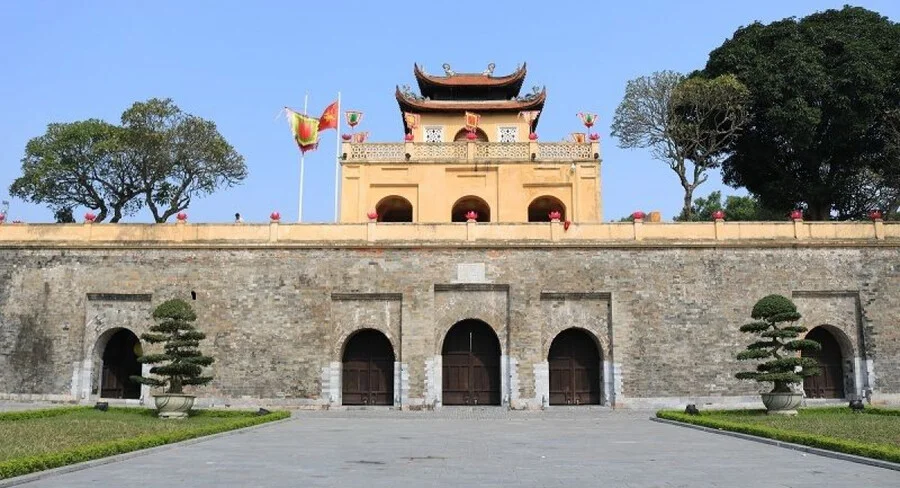
- Afternoon: If time permits, you can also visit the nearby Imperial Citadel of Thang Long or the newly upgraded Vietnam Military History Museum.
Transportation and Arrangement Suggestions: How to Get There Easily?
Ba Dinh Square is located on Hùng Vương Street in the city center of Ba Dinh District, making it very convenient to access:
- Ride-Hailing Service (Grab / Online Car-hailing): Take a Grab car or motorbike from Hoan Kiem Lake in the Old Quarter, which takes about 10 to 15 minutes, with a one-way fare of approximately 35,000 to 60,000 VND, making it the most recommended convenient option.
- City Bus: You can take bus routes 09A, 18, 22A, or 33 to the bus stops near Ba Dinh Square or Ho Chi Minh Mausoleum, with a ticket price of only about 7,000 VND.
- Walking: If your accommodation is located in the southern part of West Lake or Ba Dinh District, you can also stroll along the tree-lined Hoàng Diệu Street to get there.
Visiting Guidelines: Must-Follow Regulations on Site
- Security Checks and Item Restrictions: When entering the security checkpoint around Ba Dinh Square, personal bags must be inspected, and it is prohibited to bring knives, flammable items, dangerous goods, or large luggage.
- Stay on the Path, Do Not Step on the Lawns: The square's grid lawns are difficult to maintain, so please walk only on the cement and gravel paths, as there will always be guards on duty blowing whistles to remind you.
- Dress Code: There are no strict requirements for walking outdoors in the square, but if you plan to approach the mausoleum or enter the Presidential Palace or One Pillar Pagoda, please wear knee-length pants/skirts and sleeved tops, avoiding sleeveless vests, shorts, or overly revealing clothing.
- Drone Usage Prohibited: Ba Dinh Square is an extremely important political and military sensitive area of the nation, and the use of drones for photography is strictly prohibited without permission.
Frequently Asked Questions (FAQ)
Q1: Do I need to buy a ticket to visit Ba Dinh Square?
No, the main area of Ba Dinh Square (outdoor square and pathways) is completely free to visit. However, if you want to visit the surrounding Ho Chi Minh's Stilt House relic area or Ho Chi Minh Museum, you will need to purchase separate tickets (each ticket costs about 40,000 VND).
Q2: How early should I arrive to watch the flag-raising and lowering ceremonies?
It is recommended to arrive at least 15 to 20 minutes early. Because before the ceremony starts, guards will conduct crowd and passage control, arriving early allows you to secure a better viewing position.
Q3: Is Ba Dinh Square suitable for visiting on rainy days?
Since Ba Dinh Square is an entirely outdoor and uncovered space, experiencing heavy rain will be more affected. It is advisable to prepare rain gear on rainy days or prioritize visiting the nearby Ho Chi Minh Museum and other indoor exhibition halls.