Detailed Content
For your first trip to Ho Chi Minh City, if you ask me which historical site is a must-visit, I would unhesitatingly recommend the Independence Palace! This place is not only the most prominent green space in the city center but also a time capsule where you can easily stumble upon pivotal moments in history. Stepping inside the palace feels like instantly traveling back to the 1960s, with luxurious banquet halls and heavily guarded wartime bunkers, every corner is filled with stories and visual impact.
Attraction Introduction: A Historical Site Across Time
The Independence Palace was built on the site of the former Norodom Palace, constructed during the French colonial period. After being damaged in a coup in 1962, the South Vietnamese government decided to demolish and rebuild it, inviting the renowned Vietnamese architect Ngô Viết Thụ, who had studied in France, to personally oversee the design. Construction of the new building began on July 1, 1962, and it was officially completed and opened on October 31, 1966. [Independence Palace]
Historical Site of Independence Palace: Independence Palace Official Site ↗
This building not only served as the residence and administrative center of the South Vietnamese president but also witnessed a pivotal moment in Vietnamese history on April 30, 1975—when tanks from the North Vietnamese liberation army broke through the palace gates, symbolizing the end of nearly 20 years of the Vietnam War. Today, the Independence Palace is designated as a special national relic of Vietnam and is open for travelers from around the world to glimpse its mysterious veil.
Main Features: The Ultimate Fusion of Eastern Feng Shui and Modernism
The Independence Palace holds a high status in architecture. Architect Ngô Viết Thụ cleverly combined the aesthetic lines of Western modernism with traditional Chinese feng shui philosophy. From an aerial view, the layout of the entire building presents the character "吉" from Chinese culture, symbolizing good fortune and smooth sailing; while the bamboo fence design in front of the palace metaphorically represents the resilience and toughness of traditional Vietnamese rural life.
In addition to the exterior, the interior of the palace retains its original appearance from the 1960s to 1970s, including the magnificent reception hall, cabinet meeting room, presidential office, and banquet hall. The retro lacquer furniture, handmade carpets, and large-scale national paintings all showcase the power atmosphere and aesthetic taste of the South Vietnamese regime at that time.
Who Should Visit: Who is Best Suited to Visit the Independence Palace?
History and Culture Enthusiasts: For travelers who want to delve into the history of the Vietnam War and the U.S.-Vietnam relations during the Cold War, this site offers rich physical displays and textual records, making it an excellent historical classroom.
Architecture and Photography Lovers: The interior of the palace has excellent light penetration, with corridors, transparent bamboo imagery walls, rooftop helipads, and retro luxurious halls, all perfect for capturing cinematic or vintage-style portraits.
Families with Children: The area surrounding the palace features a spacious and well-maintained lawn and tree-lined pathways, providing a clean and safe environment, along with a display of real tanks, making it very suitable for bringing children to learn while walking.
Key Highlights: 5 Must-See Attractions
1. Historical Tanks (Tank 390 and Tank 843)
Located beside the main lawn in front of the palace, two replica tanks, numbered 390 and 843, are on display. On April 30, 1975, these two tanks were the first to break through the gates of the presidential palace, becoming iconic images in history textbooks and news documentaries.
2. Presidential Office and Cabinet Meeting Room
On the second floor, you can see the room where South Vietnamese President Nguyễn Văn Thiệu worked and met foreign guests. The red carpets, mahogany furniture, and classic telephones perfectly recreate the solemnity and luxury of political negotiations in the 1970s.
3. The Bunker
This is definitely the most shocking area of the entire palace! Going deep underground, the thick anti-aircraft concrete walls conceal a complete wartime command center, map room, vintage radio communication equipment, and the president's wartime bedroom, with narrow, cool corridors filled with a strong sense of historical oppression.
4. Rooftop Helicopter Pad and Bombing Points
A U.S.-made UH-1 helicopter is parked on the rooftop. Two prominent red circles are painted on the concrete helipad, marking the precise bombing points where rebel pilots dropped bombs during the coup in 1975.
5. Special Exhibition "From Norodom Palace to Independence Palace"
If you purchase a full admission ticket, you can enter the adjacent independent exhibition hall. The exhibition area details the evolution of this building from 1868 during the French colonial period to the present day, showcasing many precious historical photos and document copies.
Recommended Activities and Itinerary Combinations
If you only have half a day, I highly recommend connecting the "Highlights of District 1 in Ho Chi Minh City". The location of the Independence Palace is very advantageous, allowing you to easily walk to many classic landmarks:
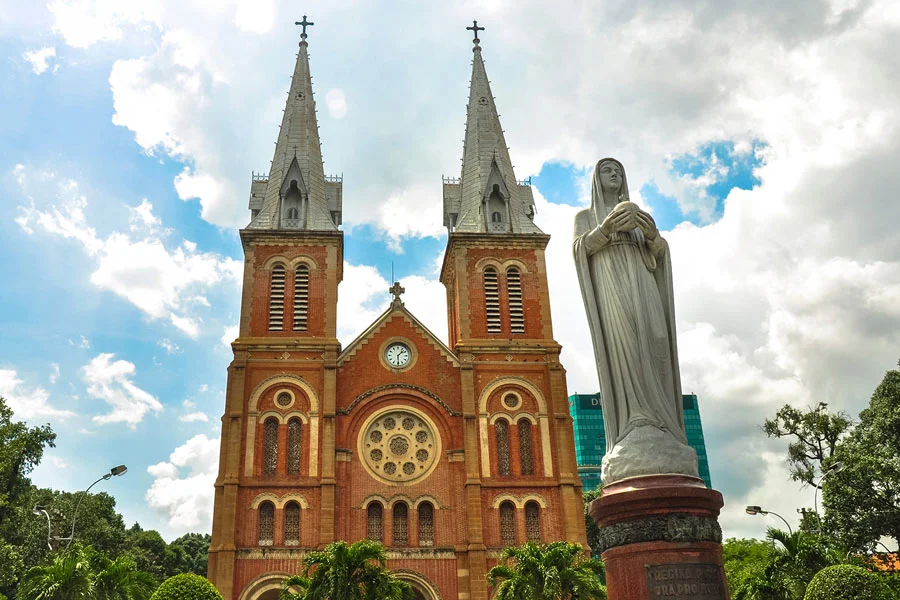
- Classic Half-Day Tour: Independence Palace (2-hour visit) → Walk to Saigon Notre-Dame Basilica (Red Cathedral) and Saigon Central Post Office (10 minutes) → Stroll down Ho Chi Minh City Book Street and enjoy a Vietnamese iced coffee.
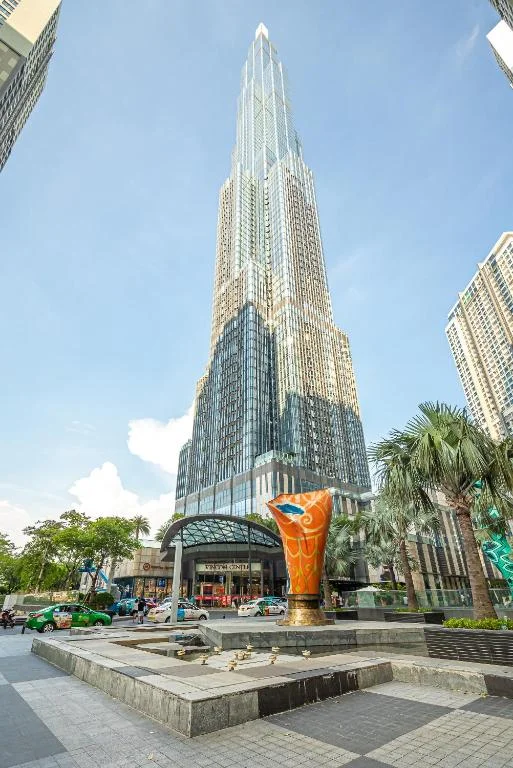
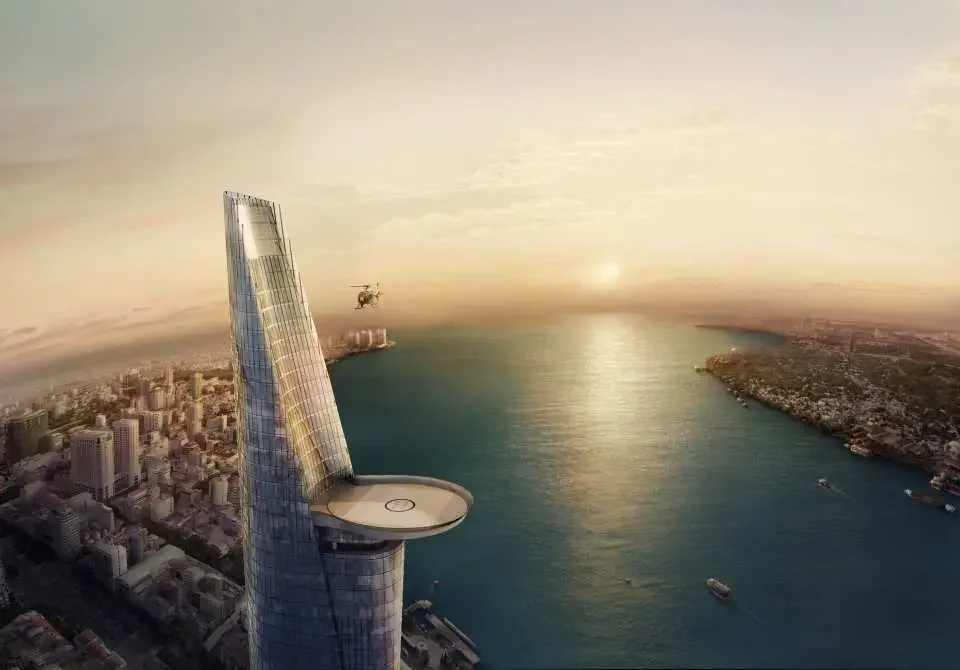
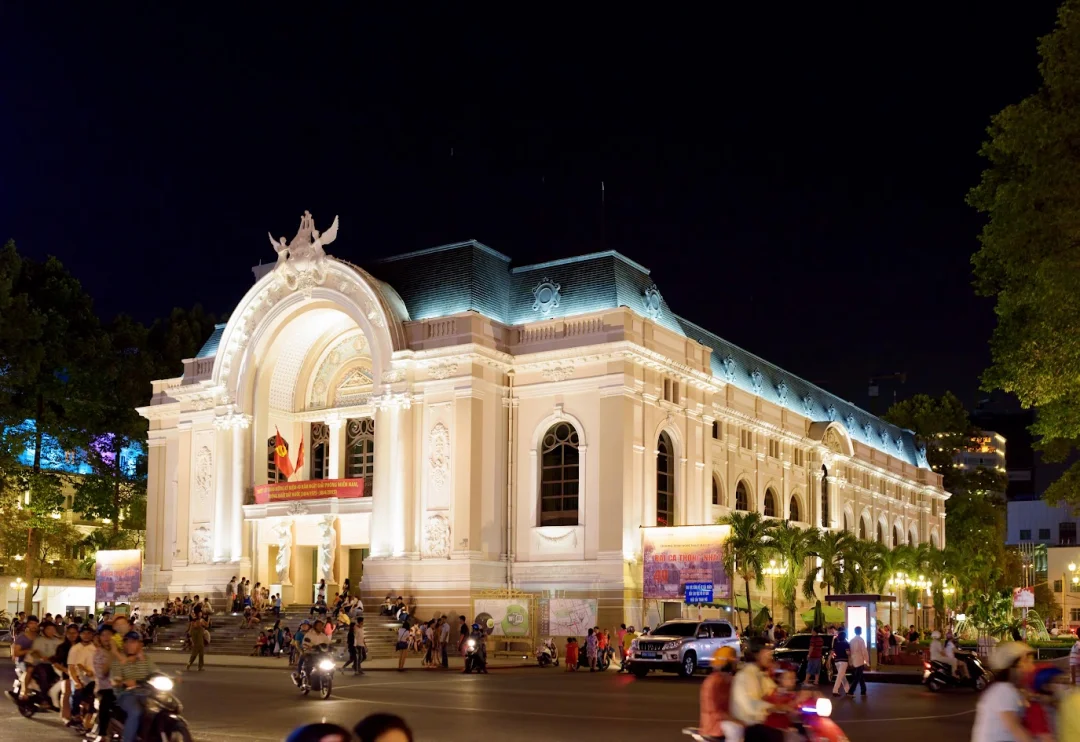
- In-Depth Cultural Day Tour: Morning visit to Independence Palace and War Remnants Museum → Lunch in District 1 to taste famous Vietnamese pho or French bread → Afternoon visit to Saigon Opera House, Tan Dinh Church (New Cathedral), or head to Bitexco Financial Tower/Landmark 81 to enjoy the city night view.
Transportation and Arrangement Suggestions
Transportation: The Independence Palace is located in the center of District 1, making it very convenient to take a Grab car or motorbike. If you are staying near Ben Thanh or Pham Ngu Lao Street, you can walk there. The main entrance is located on Nam Kỳ Khởi Nghĩa Street, with a side entrance on Nguyễn Du Street.
Time Arrangement: The palace is open daily from 07:00 to 18:00. It is recommended to rent a multilingual audio guide (including Chinese) to better understand the historical anecdotes behind each exhibition hall.
Important Notes
- Dress Code: The Independence Palace is a serious national site. Although there are no strict clothing restrictions, it is advisable to dress appropriately and avoid overly revealing attire.
- Visiting Regulations: Most rooms in the palace have warning lines; do not cross or touch the displayed furniture and artifacts. Please do not use flash photography.
- Climate Protection: The palace relies mainly on natural ventilation and fans; some areas (like the bunker) can be quite stuffy, so it is recommended to bring a water bottle and handkerchief, and to take outdoor sun protection measures.
Frequently Asked Questions (FAQ)
Q1: Is there air conditioning inside the Independence Palace?
The main building of the palace has not installed modern central air conditioning to maintain its original 1960s appearance and ventilation design; the halls and most exhibition rooms rely on high ceilings and electric fans for cooling. Only a few exhibition halls and audio guide service areas have air conditioning, so it is recommended to wear light and breathable clothing when visiting.
Q2: Should I choose the "Palace Ticket" or the "Full Set Ticket"?
If you have ample time (estimated stay of over 2 hours) and a strong interest in history, I strongly recommend purchasing the "Full Set Ticket," which allows you to also visit the special exhibition "From Norodom Palace to Independence Palace"; if you just want a quick visit or have limited time, purchasing the "Palace Ticket" will allow you to see the most essential main palace and the bunker.
Q3: Do I need to buy tickets online in advance, or can I just queue on-site?
The ticket counters at the Independence Palace are numerous and efficient, so usually, you can buy tickets on-site without waiting long. However, if you are visiting during the peak tourist season in Southeast Asia (such as December to February) or on weekends, you might consider booking electronic tickets online to save time waiting in line.