Detailed Content
Historical Background: Witness to the Transfer of Power
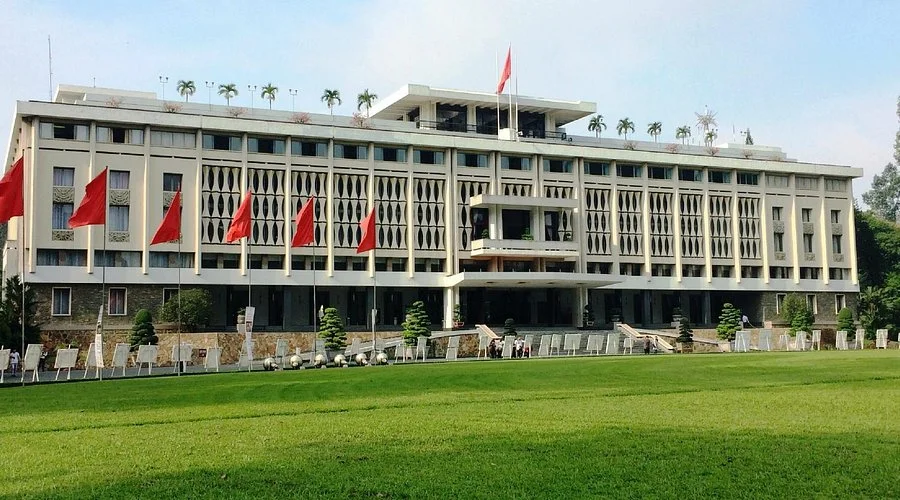
The predecessor of the Reunification Palace was the "Norodom Palace" from the French colonial period. After being destroyed in a coup in 1962, it was redesigned and rebuilt by Vietnamese architect Ngo Viet Thu, who studied in France. The architecture cleverly blends modernism with Eastern feng shui philosophy (the floor plan presents the character for "luck"). After the fall of Saigon in 1975, it was renamed "Reunification Palace," symbolizing the unification of North and South Vietnam.
Must-See Highlights
Historical Tanks (Tank 843 & 390): Two replica tanks are displayed on the left side of the lawn. In 1975, it was these two tanks that broke through the iron gates of the Governor's Palace, a scene that became a classic news shot marking the end of the Vietnam War.
Presidential Office and Reception Hall: Visit the office of then-South Vietnamese President Nguyen Van Thieu, the cabinet meeting room, and the banquet hall. The interior decor exudes a retro luxury feel from the 60s and 70s, with gilded furniture and large landscape paintings showcasing the atmosphere of power at that time.
The Bunker: This is one of the areas that interests tourists the most. As you go deeper underground, you will see thick concrete walls for defense, a war situation center, old radio equipment, and the president's bedroom during air raids. It is cool and oppressive here, realistically recreating the tense atmosphere of wartime.
Helipad: On the rooftop, there is an American-made UH-1 helicopter, with two red circles marked nearby, indicating the points where bombs were dropped by pilots during the 1975 coup.
Practical Information
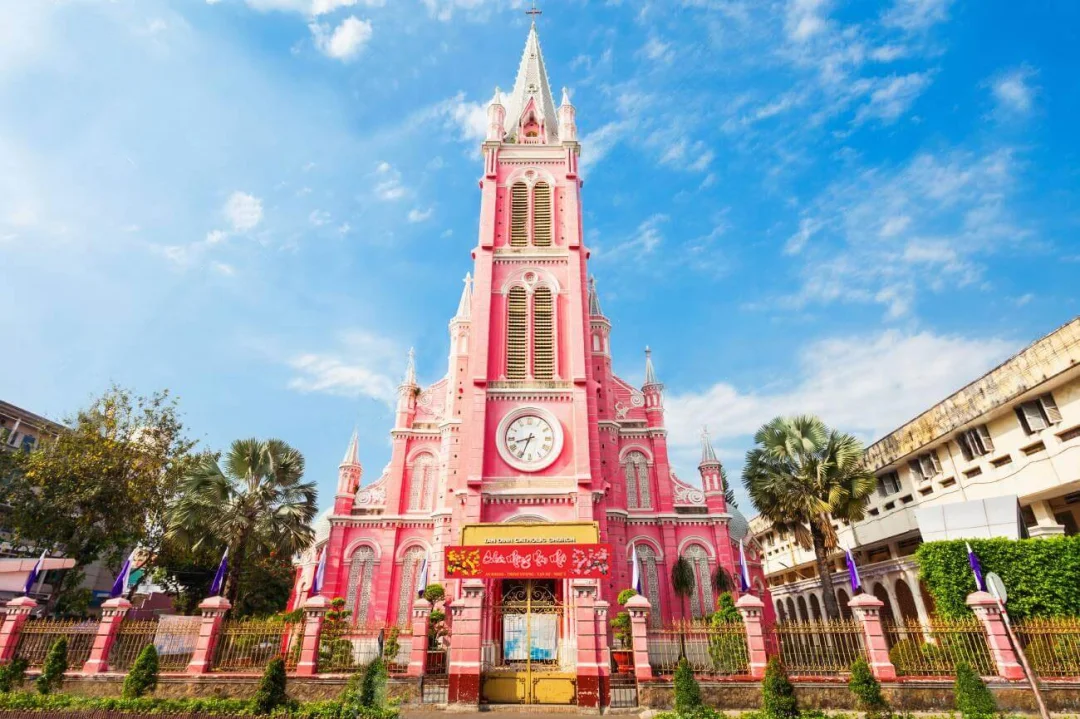
Transportation Recommendations: Located in the heart of District 1, it is only a 5-10 minute walk from the Notre-Dame Cathedral (Red Cathedral) and the Central Post Office.