Detailed Content
Every time a friend asks the VietGo editor, "For my first trip to Ho Chi Minh City, besides the French architecture and The Cafe Apartments in District 1, are there any historical sites nearby that I would regret missing?" the editor always enthusiastically recommends the "Cu Chi Tunnels"! This military miracle hidden beneath the earth is far from a dull history museum; it is a shocking adventure that allows you to bend down and even crawl on your knees. Imagine, during the long and arduous years of war, local soldiers and civilians relied solely on their hands and simple tools to carve out an underground living maze over 200 kilometers long and three layers deep beneath the tropical jungle with soil as hard as iron. From ventilation shafts and smoke-free kitchens to underground meeting rooms, every aspect showcases astonishing survival wisdom. Follow the editor's footsteps and uncover the mysteries of this "Land of Steel"!
Attraction Introduction: The Historical Legend of the Underground Maze and the Land of Steel
The Cu Chi Tunnels are located in Cu Chi District, northwest of Ho Chi Minh City, about 50 to 70 kilometers from the city center. This extensive underground defense project originated in the late 1940s during the First Indochina War, initially serving as a short tunnel for temporary concealment and message transmission between a few villages. By the time the Vietnam War broke out in the 1960s, the tunnel system underwent massive expansion and connection, ultimately forming an underground defense network resembling a giant spider web.
The Bến Dược area of the Cu Chi Tunnels was officially recognized as a national historical and cultural relic by the Vietnamese Ministry of Culture in 1979. [Khu di tích lịch sử địa đạo Củ Chi]
Khu di tích lịch sử địa đạo Củ Chi - Introduction ↗
Meanwhile, the Bến Đình area was designated as a national historical site in 2004. [Khu di tích lịch sử địa đạo Củ Chi]
Khu di tích lịch sử địa đạo Củ Chi - Relics ↗
The entire tunnel network is structured in three layers: the first layer is about 3 meters below the ground, capable of withstanding the pressure of heavy vehicles; the second layer reaches a depth of 6 meters; and the third layer extends to 8 to 12 meters, ensuring the safety of personnel even in the face of surface bombings. Inside the tunnels, there are not only combat shelters and gun ports but also all the necessary facilities for living, including bedrooms, meeting rooms, field hospitals, food storage, wells, and even smoke-free kitchens (Bếp Hoàng Cầm). This place is not just a military base; it is an underground city that can operate beneath the surface.
Main Features and Highlights of the Cu Chi Tunnels
Visiting the Cu Chi Tunnels, the most breathtaking experience is not the distant view of the structures but the personal experience of the harsh wartime environment and clever design. Here are four major highlights not to be missed in the area:
- 1. Underground Tunnel Crawl Experience: The area has specially widened some sections of the tunnels and installed safety lighting, allowing modern visitors to experience crawling in narrow spaces. Once you bend down to enter the tunnel, you will deeply understand the hardships faced by guerrilla fighters battling in oxygen-deprived, high-temperature, and confined spaces.
- 2. Ingenious Camouflage and Traps: The entrance cover on the ground is only shoulder-width, camouflaged with fallen leaves to blend seamlessly with the jungle floor; ventilation shafts are disguised as ant hills or tree mounds. Additionally, the site showcases traps made from wartime waste materials, such as bamboo spike pits and other defensive mechanisms, demonstrating remarkable survival ingenuity.
- 3. Unique Smoke-Free Kitchen "Bếp Hoàng Cầm": To avoid revealing the kitchen's location through smoke, a special chimney system was invented during the war to guide smoke dozens of meters away, filtering and diluting it through the soil, making it difficult for enemies to detect the source of the smoke from the air.
- 4. Wartime Special Meal Experience "Steamed Cassava with Sesame Salt": After exploring the tunnels, the area provides each visitor with a steaming plate of steamed cassava (Củ mì luộc) paired with peanut sesame salt and special hot tea. This was the primary food source for tunnel warriors, and tasting it brings you closer to historical memories.
Who Should Visit?
The Cu Chi Tunnels are a place that combines education, adventure, and historical depth, making it very suitable for the following types of travelers:
- History and Culture Enthusiasts: Travelers who want to deeply understand Vietnam's modern war history and closely observe wartime defense craftsmanship.
- Outdoor Experience and Adventure Seekers: Travelers who are not afraid of narrow spaces and want to challenge themselves by crawling through the tunnels.
- Family and Child-Friendly Tours: Leading teenagers or older children for vivid historical field teaching, more impactful than textbooks.
- Photography and Documentary Lovers: The tropical jungle landscape, tactical tunnels, and historical relics create highly dynamic photographic opportunities.
Recommended Activities and Two Major Areas (Bến Dược vs. Bến Đình) Choices
The Cu Chi Tunnels historical area is primarily divided into two publicly accessible visiting zones: Bến Dược and Bến Đình. Many first-time visitors often feel confused about which one to choose. The editor has summarized the main differences between the two:
1. Bến Dược: The Best Choice for Authenticity and Tranquility
Located about 70 kilometers from Ho Chi Minh City, a 2-hour drive. Bến Dược is the core of the early revolutionary base, where the tunnels retain more original structures. The area is vast and includes the large-scale "Ben Duoc Memorial Temple" and experiential zones that recreate the lifestyle of the liberated area. There are fewer foreign tour groups here, making it a quiet environment, perfect for travelers seeking in-depth historical culture and those who prefer not to be in crowded places.
2. Bến Đình: Closer and a Popular Choice for Tour Groups
Located about 50 to 55 kilometers from Ho Chi Minh City, a 1.5-hour drive. Bến Đình was initially the base of the Cu Chi District Committee, and due to its proximity to the city, most day tour bus groups from travel agencies go here. The tunnels here have undergone moderate widening and renovation for easier access for large groups of tourists, but due to the high number of visitors, there may be queues during peak times to enter the tunnels.
Recommended Itinerary Combinations and Planning
Since the Cu Chi Tunnels are located in the northwest suburbs of Ho Chi Minh City, with a one-way travel time of 1.5 to 2 hours, they are very suitable for combining with surrounding routes for a fulfilling half-day or full-day tour:
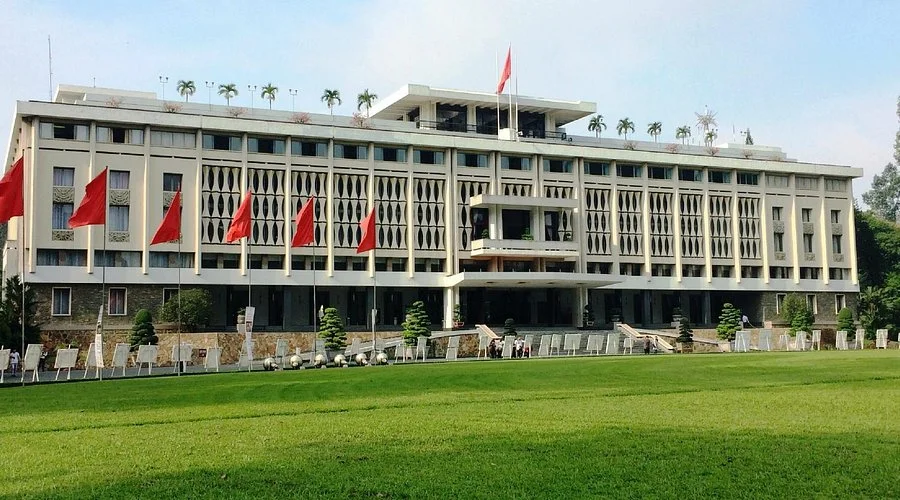
- Classic Historical Half-Day Tour: Departing from Ho Chi Minh City in the morning ➔ Head to the Cu Chi Tunnels (visit the tunnels, watch a documentary, experience steamed cassava) ➔ Return to the city in the afternoon to visit the War Remnants Museum and Independence Palace.
- Religious and Historical Enrichment Full-Day Tour: Visit Tây Ninh Province's "Cao Dai Holy See" to observe the grand religious ceremony at noon ➔ Enjoy a local beef hotpot for lunch ➔ Visit the Cu Chi Tunnels in the afternoon ➔ Return to Ho Chi Minh City in the evening.
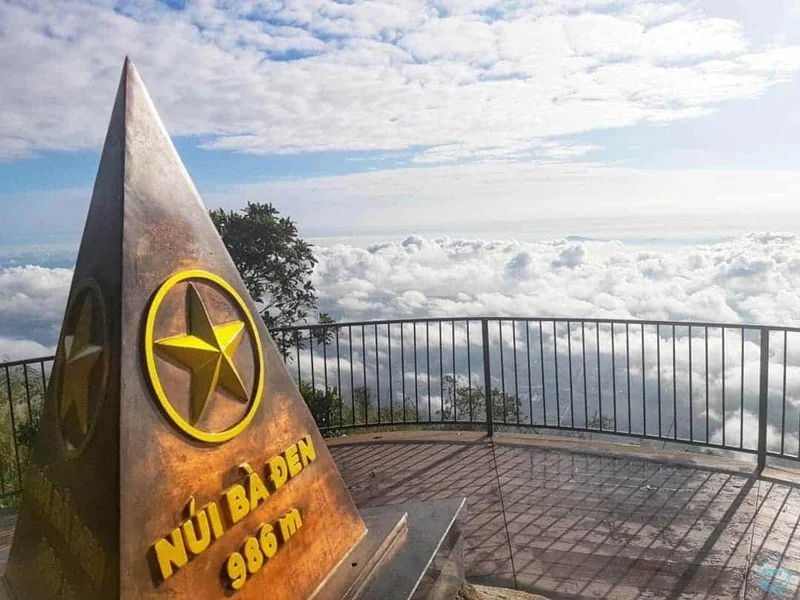
- Nature and Mountain Retreat Full-Day Tour: Depart in the morning to Tây Ninh's "Ba Den Mountain" to take the cable car to the summit and enjoy the sea of clouds ➔ Visit the Cu Chi Tunnels on the way back in the afternoon ➔ Return to Tây Ninh or Ho Chi Minh City in the evening.
Key Points and On-Site Activity Suggestions
Upon arriving at the area, it is recommended to follow the schedule below for the experience:
First, the guide will lead everyone to the screening room to watch a short historical documentary and a 3D structural explanation of the tunnels, establishing a preliminary understanding of the tunnel's depth and defense mechanisms. Then, walk into the tropical jungle to find the hidden tunnel entrance cover beneath the leaves, and try to experience the ultimate sense of concealment by covering it yourself.
Next is the highlight, the tunnel experience! The tunnels in the area are divided into different lengths and difficulties. If you suffer from claustrophobia or physical discomfort, you can choose to observe various trap displays and battlefield command post models along the ground pathways. Near the tunnel exit, there is a "National Defense Sports Shooting Range," where visitors can pay to experience using real guns (such as AK-47, M16) for target shooting, feeling the shocking sounds and recoil of gunfire on the battlefield.
Transportation Methods and Itinerary Suggestions
There are several main transportation options to get from Ho Chi Minh City to the Cu Chi Tunnels:
- 1. Join a Local Day Tour/Half-Day Tour (Most Worry-Free): In District 1 (such as Pham Ngu Lao Street, Ben Thanh Market), many travel agencies offer half-day shared or private car tours, including round-trip transfers, tickets, and guided explanations, which is the top choice for most foreign tourists.
- 2. Charter a Vehicle or Taxi (Most Comfortable and Flexible): If traveling with family or friends, it is recommended to book a day car service directly. You can freely control your stop time and easily connect with the Bến Dược area or Tây Ninh's Cao Dai Holy See.
- 3. Speedboat/Scenic Cruise (Most Unique Perspective): Some operators offer trips from the Saigon River pier to the Cu Chi Tunnels by high-speed boat, allowing you to enjoy the tropical riverside scenery along the Saigon River, reaching the destination in about 75 minutes, providing an excellent experience.
- 4. Take the Bus (Budget-Friendly for Backpackers): If heading to Bến Dược, you can take bus number 13 from the Ben Thanh Market bus station to Cu Chi transfer station, then transfer to bus number 79 directly to the entrance of Bến Dược, taking about 2.5 hours one way.
Important Notes and Visiting Suggestions
- Wear Appropriate Clothing and Footwear: The soil inside the tunnels is damp and the space is narrow, so it is recommended to wear durable, comfortable sports pants and flat sports shoes, avoiding skirts, shorts, or high heels.
- Mosquito and Sun Protection Preparations: The area is in a tropical jungle environment with many mosquitoes, so be sure to carry mosquito repellent, sunscreen, and plenty of drinking water.
- Health Considerations: The air inside the tunnels can be stuffy and the space constricting. Those with claustrophobia, heart disease, high blood pressure, respiratory diseases, or mobility issues should not attempt to enter the narrow sections of the tunnels and can stay on the ground pathways for observation.
- Bring Simple Change of Clothes: After crawling through the tunnels, your body may get covered in dirt and sweat, so it is advisable to carry an extra clean shirt for a change.
Frequently Asked Questions (FAQs)
Q1: Which is more recommended, Bến Dược or Bến Đình?
If you want to experience a more original, less commercialized site and see the grand Ben Duoc Memorial Temple, I recommend choosing Bến Dược; if you have limited time and prefer a shorter travel distance, or if you are joining a standard travel agency's half-day shared tour, you will usually go to Bến Đình.
Q2: Will the Cu Chi Tunnels be crowded? Can larger individuals fit in?
The sections of the tunnels open for visitor experience have been moderately widened and raised, allowing most adults to pass through by simply bending or crouching. However, some original sections remain quite narrow, and if you feel uncomfortable, you can return to the surface through the emergency exits at any time.
Q3: Do I need to make a reservation for live ammunition shooting in the area?
The shooting range is located in the self-funded area of the site, and no prior reservation is needed. You can purchase bullets on-site and receive safety guidance from staff before experiencing it. Bullets are charged per shot, with prices subject to on-site announcements.