
Your Ultimate Guide to Avoid Pitfalls on Your 2026 Vietnam Trip: Nail Down These 4 Essentials Before You Go!
What’s the biggest fear when traveling abroad? Getting stuck at customs, being overcharged, or struggling to find a ride at the last minute.
If you're planning a trip to Vietnam in 2026, all you need to do is take care of the "Four Essential Tools" from the comfort of your home before you leave: Visa, Internet, Grab, and Accommodation Registration. After that, just pack your passport and get ready to dive into the vibrant street life and nightlife of Vietnam. This guide simplifies the most tedious administrative processes so you can focus on how to have fun, eat well, and truly experience Vietnam.
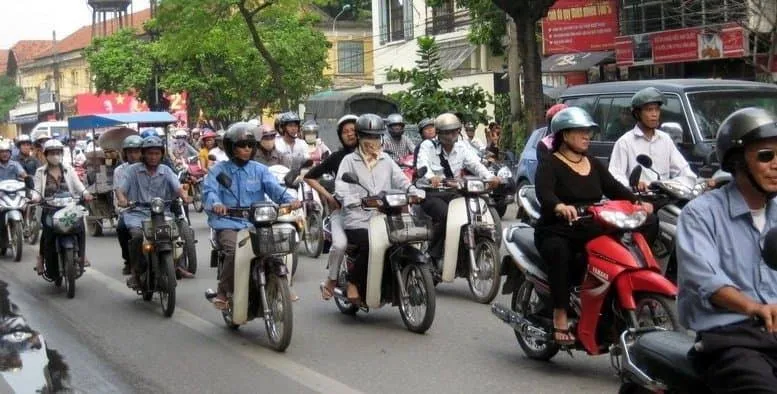
Are you ready to experience the rhythm of Vietnam's streets? Source: The Travelbunny
1. Four Must-Have Essentials Before You Go: e-Visa, eSIM, Grab, and Accommodation Registration
The visa, internet access, ride-hailing, and accommodation registration are the four most commonly checked items upon entry. It’s highly recommended to sort these out while still in Taiwan to avoid wasting time in airport queues.
1. Vietnam e-Visa: Do It Yourself to Save Money, or Use an Agency (Recommended Processing Time: 7-10 Days)
If your visa application is denied, your flight ticket becomes useless! Currently, the e-Visa allows for a maximum stay of 90 days, and there are two ways to apply based on your "effort level":
- DIY to Save Money (Single Entry: $25 / Multiple Entry: $50):
- Required Documents: A photo of your passport data page, a digital passport-sized photo on a white background, the airport of entry, and the address of your first night’s accommodation.
- Official Websites: evisa.gov.vn or thithucdientu.gov.vn.
- For the Lazy (Pay an Agency): If you find English forms overwhelming or fear making a mistake that could lead to being sent back by customs, don’t hesitate to spend a little extra! Just send your passport photo to a travel agency or online service and let them handle the rest for peace of mind.
- 💡 Important Warning: Don’t Trust the Official Website's 3-5 Day Processing Time! Vietnam's administrative efficiency is a mystery; delays can happen during holidays or system maintenance. It’s strongly advised to submit your application "7-10 days before departure" to avoid last-minute panic and exorbitant "express service" fees. Finally, although you’ll receive a PDF approval on your phone, make sure to print a hard copy to keep with your passport! Hand it over at customs for a smooth entry.
2. Phu Quoc Island's 30-Day Visa Exemption Trap
If your itinerary does not include mainland Vietnam (directly flying to Phu Quoc or transiting through the international terminal), you can enjoy a 30-day visa exemption.
🚨 Note: If you plan to visit Phu Quoc and then fly to Ho Chi Minh City, Hanoi, or Da Nang, make sure to apply for your e-Visa beforehand, as the visa exemption does not apply to this island-hopping plan!
3. Accommodation Registration (Khai báo tạm trú): Avoid Trouble with the Authorities
Foreigners staying in Vietnam must complete a "temporary residence registration."
- Staying in Hotels: The front desk will handle this for you, so no worries.
- Staying in Airbnb / Guesthouses / Friends’ Homes: Please proactively provide your passport and visa photocopy to your host and ask them to upload it to the system. In case of a surprise inspection, simply show your passport and booking confirmation.
4. eSIM Internet: Retaining SMS Functionality is Key
Buying an eSIM is the most convenient option, but make sure to keep your original Taiwanese number active to receive OTP SMS for registering Grab or making card payments without issues.
- Telecom Choices: Viettel has the best coverage; Vinaphone and MobiFone are also reliable in urban areas.
2. Grab Ride-Hailing Tips: Essential Information Before Landing to Avoid Being Overcharged
Grab will be your main mode of transportation in Vietnam. Remember this golden rule: Download the app and link your credit card and phone number verification while still in your home country.
- How to Use at the Airport: Both SGN (Ho Chi Minh City) and HAN (Hanoi) have designated Pick-up Zones. Once you exit the terminal, head straight to the zone to request your ride for the best success rate.
- Cost Awareness: Any extra charges on your bill are likely "airport access/parking fees," which are standard and typically borne by passengers, so don’t argue with the driver.
- 💡 Pitfall Prevention Tips:
- Always verify the license plate before getting in! If someone enthusiastically tells you "Grab is broken" and asks you to get in, just shake your head and walk away.
- If you're traveling with a group or have large luggage, be sure to request a 4-seater or 7-seater vehicle. Try to avoid motorcycles late at night.
3. How to Plan Your Itinerary: Don’t Be Too Ambitious on Your First Visit
Vietnam's geography is long and narrow, so for your first visit, it’s best to focus on one region rather than spending time on domestic flights.
- Southern Vietnam (Ho Chi Minh City: 5-6 Days): Experience the vibrant urban atmosphere and nightlife, possibly combined with a trip to the Mekong Delta or Cu Chi Tunnels.
- Northern Vietnam (Hanoi: 5-6 Days): Immerse yourself in the history of the Old Quarter, with options to visit Ha Long Bay or Ninh Binh. Remember to bring a jacket if you visit in winter, as it can get chilly!
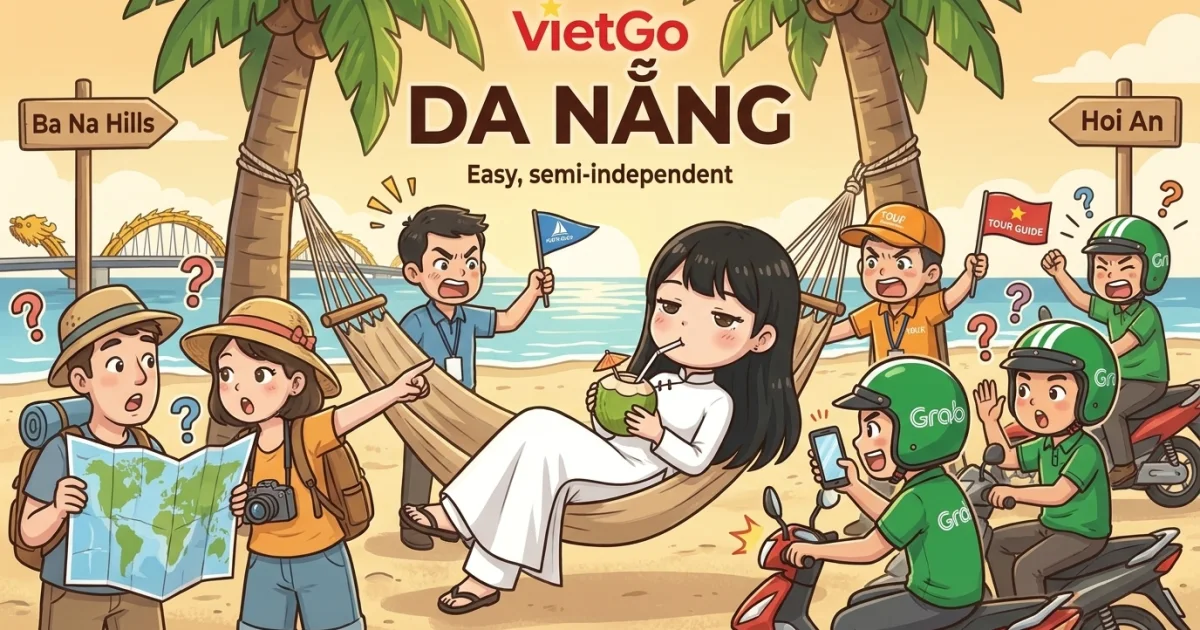
- Central Vietnam (Da Nang: 5 Days): Enjoy the beach in Da Nang and explore the ancient town of Hoi An.
🏙️ City Survival Tips
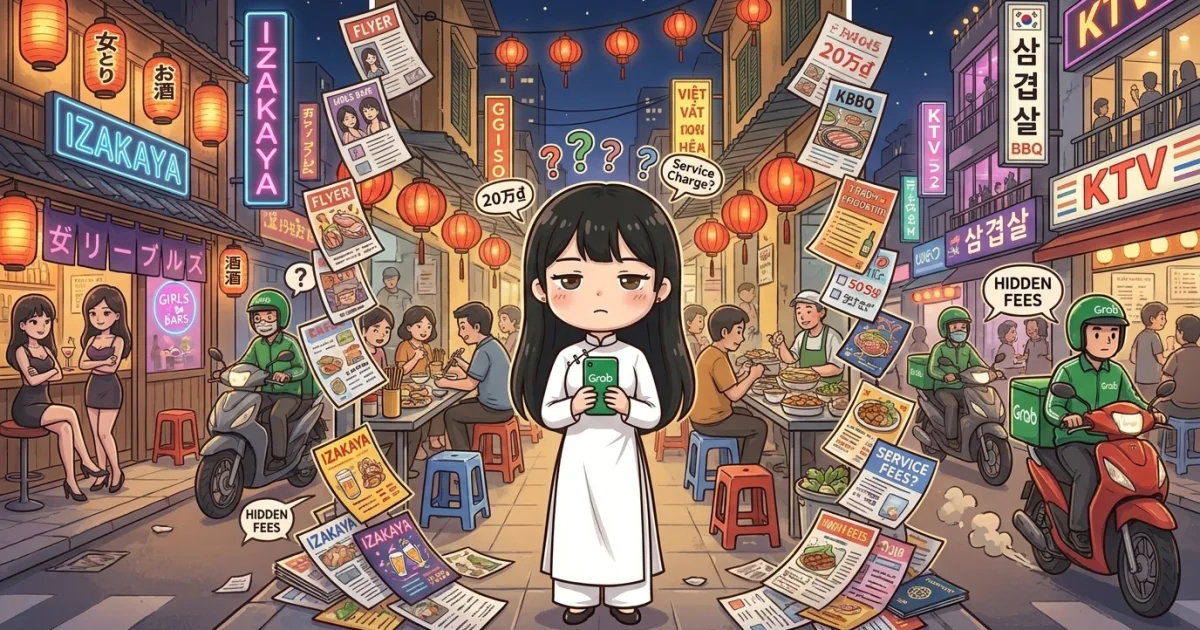
- Ho Chi Minh City: When walking in District 1 and Pham Ngu Lao Street, keep your phone close to your body. When crossing the street, maintain a steady pace; motorbikes will maneuver around you, so avoid sudden stops or backtracking.
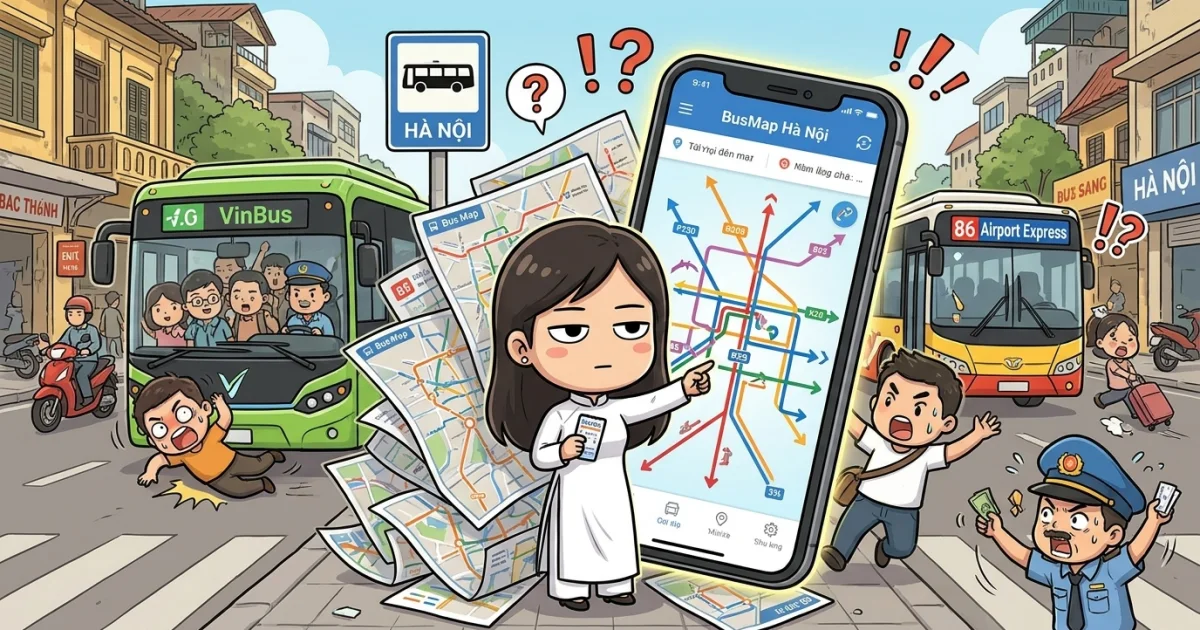
- Hanoi: The sidewalks in the Old Quarter are often crowded with motorbikes and vendors, and there are many blind corners. Additionally, West Lake and the Hanoi Cathedral are not very close to each other, so don’t foolishly think you can walk easily between them; if needed, just call a ride.
- Da Nang/Hoi An: In the evenings, vehicles cannot enter Hoi An Ancient Town, so you’ll need to walk. Be sure to catch the "Hoi An Impression Show," as the light and sound effects are worth the ticket price.
4. Find a Local Insider to Upgrade Your Trip to "VIP Level"
For many seasoned travelers, the golden ratio is 90% self-exploration and 10% guided by a local. While independent travel is enjoyable, if you want to avoid the hassle of haggling at markets or are unsure where to safely grab a drink at night, hiring a knowledgeable local guide who speaks Chinese is definitely the best investment for your trip.
Dedicate a day for a local guide to help you:
- Access Authentic Cuisine: Skip the trendy spots with long lines and let them take you to the best local eateries serving the freshest and cleanest dishes.
- Navigate Local Etiquette: Many tourists don’t realize that there’s no tipping culture in Vietnam! Your guide will teach you how to pay without losing out and how to understand the many zeroes on the Vietnamese dong bills.
- Feel Secure While Moving at Night: With language skills and local knowledge, they can help you adjust your itinerary or handle unexpected situations on the spot.
To find a reliable local guide, you can directly book through Viet-Go Vietnamese Chinese Guide Service. Whether you want to explore historical and cultural routes or simply enjoy local food with friends, they can connect you with the best guide for your needs.
5. Wallet and Survival Defense: Learn These Tips
- Card or Cash? A mix of cash and credit cards is the safest approach. If you use a card and the machine asks for the currency, always select "Vietnamese Dong (VND)" for the best deal.
- Currency Exchange: Exchange at banks or legitimate currency exchange shops; street exchanges carry high risks.
- Check Your Money Carefully: The 50,000 dong notes can look similar, so double-check when paying or receiving change.
- How to Choose Street Food? Prioritize stalls with high turnover and freshly cooked food. Avoid long-standing raw vegetables and unclear ice sources; bring some stomach medicine just in case.
🎒 Final Checklist Before You Go! Practical Packing Tips and Vietnamese Phrases
Essential Packing List:
- Charging and Voltage: Don’t Bring a Universal Adapter! Most modern phone and laptop chargers support 100-240V, and Vietnam's sockets are compatible with Taiwan's "two-pin flat plugs," so you can plug directly into the wall without needing a bulky universal adapter.
- 🚨 One Warning: Unless you absolutely need to bring a "hair dryer" or "curling iron" from Taiwan, those pure 110V heating appliances will definitely burn out when plugged into 220V! Also, if your laptop charger has a "three-prong plug," remember to buy a cheap "three-to-two" adapter at a hardware store.
- Insect repellent, wet wipes, and stomach medicine.
Essential Vietnamese Phrases (Screenshot and Save):
- How much is this?: Bao nhiêu tiền?
- No MSG: không bột ngọt
- Not spicy: không cay
- Less ice: ít đá
- Thank you: Cảm ơn
With these preparations, you’re already ahead in your Vietnam journey. Go out and explore boldly; Vietnam is sure to be even more fun than you imagined!
![[Hanoi Free Travel Guide] 4-5 Day Itinerary, Transportation Budget, and In-Depth Conversations with "One-Day Private Guides" to Unlock Local Life](https://cdn.viet-go.com/public/articles/images/1785913563-6a72e0db984fe.webp)