Detailed Content
Hi, fellow travelers preparing for a trip to Da Nang! If you're looking for a place where you can quickly experience the local vibrancy of Central Vietnam and buy all your souvenirs in one stop, the "Han Market" in the city center is definitely a must-visit spot that I highly recommend. It's located near the Han River and Da Nang Cathedral, and stepping into the market feels like opening a treasure chest filled with authentic local charm, with the rich aromas of coffee, cashews, and enthusiastic calls blending together. Whether you're planning to buy cashew nuts, taste the hot Quang noodles, or get a custom-made Ao Dai, this complete guide to Han Market will help you navigate easily!
Introduction and Historical Background of Han Market
Han Market is located in the prime area of Hai Chau District in Da Nang, surrounded by the four main roads: Trần Phú, Bạch Đằng, Hùng Vương, and Nguyễn Thái Học. The market's name comes from the adjacent Han River and is one of the largest and most representative traditional wholesale and retail markets in Da Nang.
Han Market originated in the 1940s during the French colonial period, gradually becoming an open-air market for the distribution of goods due to its proximity to the Han River port and railway. On May 19, 1990, the local government began reconstructing it into a two-story indoor traditional market, which officially opened on March 29, 1991. [Danang Tourism Portal] The entire market is well-ventilated and brightly lit, with organized stalls, and it still maintains a high level of commercial vitality, serving as a vivid window into the daily life and economy of Da Nang's citizens.
Danang Fantasticity - Da Nang City Tourism Information Portal: Han Market ↗
Main Features and Two-Story Layout of Han Market
Upon entering Han Market, you'll notice the central area features a high ceiling design, with clearly defined functions across the two floors, allowing travelers to quickly locate the items they need:
First Floor: Specialty Dried Goods, Cashew Coffee, and Local Snack Area
The first floor is where the main entrance and passageway are located, gathering a variety of Central and Vietnamese specialty souvenirs. Stalls are filled with salted roasted cashews, dried mango, dried jackfruit, freshly ground Vietnamese coffee beans, mung bean cakes, and various types of fish sauce and shrimp paste. Many vendors offer free samples, so you can buy only if you're satisfied. One corner of the first floor is a fragrant cooked food snack area, selling Quang noodles (Mì Quảng), Vietnamese pancakes (Bánh Xèo), beef vermicelli (Bún Bò), and freshly made avocado smoothies, all at very reasonable prices.
Second Floor: Custom Ao Dai, Fashion Apparel, and Woven Goods
Heading up the central staircase to the second floor, you'll find a world of fabrics, clothing, and the traditional national dress "Ao Dai" (Áo Dài). This area hosts dozens of tailoring stalls offering a variety of materials and patterns for Ao Dai fabric. After selecting your fabric, tailors will take precise measurements, and the garments can be completed and delivered to your designated hotel in as little as 1 to 3 hours, making it very efficient. Additionally, the second floor features a wide range of woven straw hats, rattan bags, vacation print dresses, and casual footwear, making it a great place for vacation shopping.
Who Should Visit Han Market?
- Souvenir Shoppers: Those looking to buy cashews, coffee, and specialty dried goods all in one place to save time.
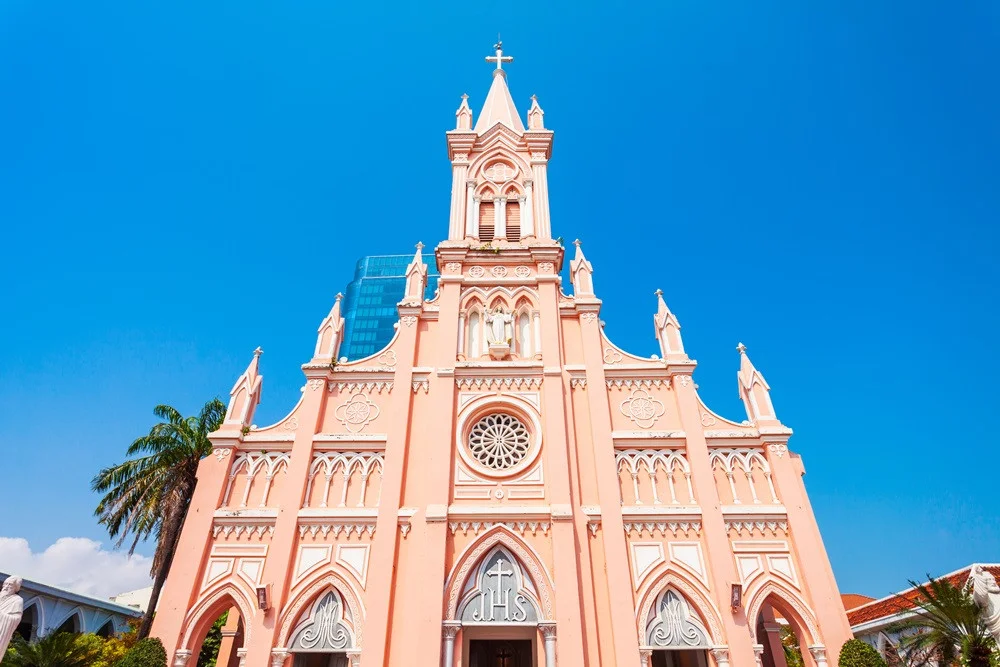
- National Costume Enthusiasts and Photographers: Those wanting to have a custom Ao Dai made to wear for beautiful photos in Hoi An Ancient Town or at the Pink Cathedral.
- Traditional Food Lovers: Those who enjoy visiting local market stalls to taste authentic, affordable Central Vietnamese snacks and tropical fruit smoothies.
- City Day-Trippers: With its prime location, it’s perfect for integrating into a leisurely stroll around Da Nang city and currency exchange.
Recommended Activities and Shopping List for Han Market
To efficiently explore Han Market, I suggest following these "three golden steps":
- First, get your Ao Dai made on the second floor: Upon arriving at the market, head to the second floor to select your fabric and get measured, allowing the tailor to work while you shop or visit nearby attractions, so you can pick it up in the evening.
- Enjoy local snacks on the first floor: After taking your measurements, return to the first floor's cooked food area, order a bowl of classic Quang noodles, and pair it with a rich avocado smoothie to recharge.
- Shop for specialties and souvenirs: After your meal, sample and choose cashews and coffee in the dried goods area on the first floor, and it’s advisable to compare prices at two to three stalls and check that the vacuum packaging is intact.
Suggested Itinerary for Da Nang City
Han Market's convenient location makes it easy to connect with major landmarks in Da Nang:
- Half-Day Highlights: City hotel → Da Nang Cathedral (about a 3-minute walk) → Han Market (currency exchange, custom Ao Dai, souvenir shopping, lunch) → Coffee shop by the Han River for a break → Pick up Ao Dai and return to the hotel.
- Classic Full-Day Tour: Morning visit to Marble Mountains → Return to the city for currency exchange and food near Han Market at noon → Afternoon stroll through Han Market and Da Nang Cathedral → Evening at My Khe Beach → Night at Dragon Bridge to enjoy the fire show and a night cruise on the Han River.
Key Points: Currency Exchange and Riverside Cafés Nearby
The streets surrounding Han Market are equally vibrant. Directly across from the main entrance (on Trần Phú) are several well-known gold shops (such as Soan Ha), recognized by travelers as convenient places for currency exchange with good rates in Da Nang. After shopping, you can also walk to the nearby Bạch Đằng riverside and choose a quality riverside café, sit outdoors enjoying the breeze from the Han River, and savor a leisurely afternoon.
Transportation Options and Time Management Suggestions
Han Market is located in the center of Da Nang, making transportation very convenient:
- Ride-hailing/Taxis (Grab/Gojek): It takes about 10 to 15 minutes from Da Nang International Airport; from the My Khe Beach hotel area, it takes about 8 to 12 minutes, with affordable fares that take you directly to the market entrance.
- Walking: If you stay at a hotel near the city center on Trần Phú or Bạch Đằng, you can walk directly to the market; it’s about 200 meters from Da Nang Cathedral, taking only 3 minutes on foot.
Recommended time to stay: If you’re only shopping for souvenirs and eating snacks, 1 hour is sufficient; if you include getting an Ao Dai made and currency exchange at nearby gold shops, it’s advisable to allocate 1.5 to 2 hours.
Shopping Tips and Bargaining Techniques at Han Market
- Friendly Bargaining Techniques: Prices at traditional tourist markets usually have room for adjustment. When buying clothing, rattan bags, or straw hats, you can start by politely asking for a 20% to 30% discount; if purchasing a larger quantity (like buying more than 5 bags of cashews), you can proactively negotiate for a small discount.
- Respect the "Opening Market" Tradition: Vietnamese merchants place great importance on the first sale of the day (opening market). If you visit between 6:00 AM and 8:00 AM, and do not have a clear intention to buy, it’s advisable to avoid excessive bargaining without making a purchase.
- Environment and Personal Belongings: The market's aisles can be narrow and hot during the summer, so it’s recommended to wear light clothing; in crowded areas, please secure your bags and be mindful of your belongings.
Common Questions About Han Market
Is there an entrance fee for Han Market?
Han Market is an open traditional market, free to enter, and does not charge any admission fees.
How long does it take to have an Ao Dai made?
The tailoring stalls on the second floor of Han Market are experienced, and generally, custom tailoring takes about 1 to 3 hours to complete, with some shops also offering delivery to city hotels.
What is the difference between Han Market and Con Market?
Han Market is more refined with clear zoning, focusing on souvenir dried goods and custom Ao Dai, making it very popular among tourists; Con Market, on the other hand, is larger with a stronger local atmosphere, offering a wide variety of cooked snacks, but is busier and more crowded.