Detailed Content
Ho Chi Minh Mausoleum: A Solemn Historical Landmark at Ba Dinh Square
As dawn breaks over Ba Dinh Square, a vast green lawn is already filled with visitors waiting in line. After passing through security checkpoints, you will slowly make your way along designated pathways toward the imposing structure made of dark gray granite, enveloped in an atmosphere of solemnity and reverence. The Ho Chi Minh Mausoleum is not only a central symbol of Vietnam's modern history but also a preferred destination for countless Vietnamese citizens and foreign travelers to learn about the country's revolutionary journey and political culture.
This memorial mausoleum is located at the original site where President Ho Chi Minh proclaimed the establishment of the Democratic Republic of Vietnam on September 2, 1945. Construction began on September 2, 1973, and the mausoleum was officially inaugurated on August 29, 1975. The architectural design received technical support from Soviet experts and was inspired by the structure of Lenin's tomb next to the Kremlin in Moscow, while incorporating traditional Vietnamese architectural elements, such as the three-tiered stepped roof symbolizing the roof structure of traditional halls, surrounded by granite columns sourced from various regions of Vietnam.
Ban Quản lý Lăng Chủ tịch Hồ Chí Minh: Introduction to the Ho Chi Minh Mausoleum ↗
Architectural Features and Highlights of the Mausoleum
The Ho Chi Minh Mausoleum stands 21.6 meters tall and 41.2 meters wide, with its exterior clad in dark gray granite, featuring the words “CHỦ TỊCH HỒ-CHÍ-MINH” (President Ho Chi Minh) inscribed in bright red above. The complex and the mausoleum itself showcase distinctive architectural and cultural landscapes:
- Granite and Multicultural Contributions: The granite and marble used in the mausoleum's construction were sourced from various provinces across Vietnam, and the trees and flowers surrounding the mausoleum were donated by people from different regions, symbolizing the unity of the Vietnamese nation.
- Main Hall of Respect: The interior of the hall is paved with dark red marble, housing a glass crystal coffin in which President Ho Chi Minh's body rests, guarded around the clock by soldiers in white ceremonial uniforms. The indoor environment is maintained at a constant temperature and humidity, creating an atmosphere of profound solemnity.
- Daily Flag Raising Ceremony at Ba Dinh Square: A tall flagpole stands at the center of Ba Dinh Square, where a precise and solemn flag-raising and lowering ceremony takes place every morning (06:00 in summer, 06:30 in winter) and at 21:00 in the evening, attracting large crowds who come to watch the disciplined procession.
Ideal Visitor Types
The Ho Chi Minh Mausoleum holds significant historical educational value and a national ceremonial atmosphere, making it particularly suitable for the following types of travelers:
- History and Political Culture Enthusiasts: Those looking to gain a deeper understanding of 20th-century Southeast Asian modern history, Vietnam's independence movement, and the evolution of Sino-Vietnamese relations during the Cold War.
- First-time Visitors to Hanoi: As one of the most important landmarks in central Hanoi, this site is an excellent starting point for understanding the city and the nation's development.
- Photography and Architecture Researchers: The mausoleum's architectural style, which blends Soviet socialist pragmatism with traditional Vietnamese wooden proportions, along with the well-maintained greenery of Ba Dinh Square, offers unique perspectives for photography.
Key Points of Interest and Visitor Flow
Visiting the Ho Chi Minh Mausoleum differs from a typical museum experience, as all visitors must adhere to strict and standardized pathways:
1. Entry Security Check and Storage
General visitors usually enter through 17 Phố Ngọc Hà or 8 Hùng Vương. Upon arrival, you must pass through metal detectors and X-ray machines. Large backpacks, camera equipment, tripods, and cameras must be stored at designated areas; only small bags and mobile phones are allowed (phones must be turned off or screens locked once inside the mausoleum).
2. Two-Column Formation and Silent Standing
After security checks, visitors will line up in pairs, guided by staff and guards, and slowly enter the mausoleum building along a shaded corridor. Upon entering the Main Hall of Respect, everyone must maintain absolute silence, remove hats, and keep hands at their sides (no pockets or crossed arms). Visitors are not allowed to linger or stop to observe; they must walk around the glass coffin and exit.
Recommended Activities and Nearby Itinerary
A visit to the Ho Chi Minh Mausoleum typically takes half a day. The best approach is to connect the entire "Ho Chi Minh Historical Site Area" as follows:
- Mausoleum Visit (Morning 07:30 - 09:00): Since the mausoleum is only open in the morning and often has long lines, it is advisable to arrive early to queue and complete your visit promptly.
- Presidential Palace and Ho Chi Minh's Stilt House (09:00 - 10:30): After exiting the mausoleum, stroll along the lush pathways to the bright yellow French-style Presidential Palace, and visit Ho Chi Minh's wooden stilt house (Nhà sàn Bác Hồ) and the fish pond where he lived and worked.
- One Pillar Pagoda and Ho Chi Minh Museum (10:30 - 11:30): After leaving the stilt house area, you can reach the ancient One Pillar Pagoda (Chùa Một Cột), built in the 11th century, and then visit the modern Ho Chi Minh Museum to gain a comprehensive understanding of his revolutionary life.
Do You Need a Guide in Hanoi?
For independent travelers, queuing and following the designated pathways at the Ho Chi Minh Mausoleum is not complicated. However, due to strict storage regulations, separate ticketing and opening hours for different areas (mausoleum, Presidential Palace, stilt house, museum), and the limited information available on-site, hiring a professional guide can significantly enhance your experience:
- Avoiding Confusion: The area around Ba Dinh Square is vast, with storage points, entrances, and exits not located in the same place. Booking a Hanoi guide or Chinese-speaking guide through the VietGo platform can help manage the storage and retrieval process, saving you time from retracing your steps.
- Deepening Historical Understanding: Details about the mausoleum's architecture, the simple lifestyle of the stilt house, and the international context during the Cold War can be explored through local guided tours in Chinese, transforming a brief visit into a profound cultural exploration.
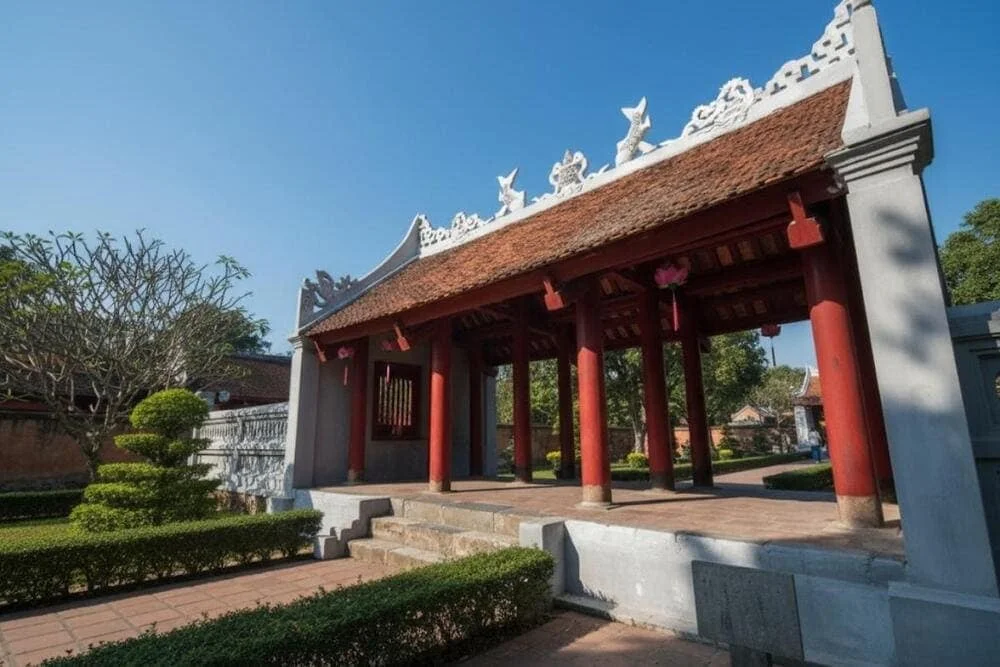
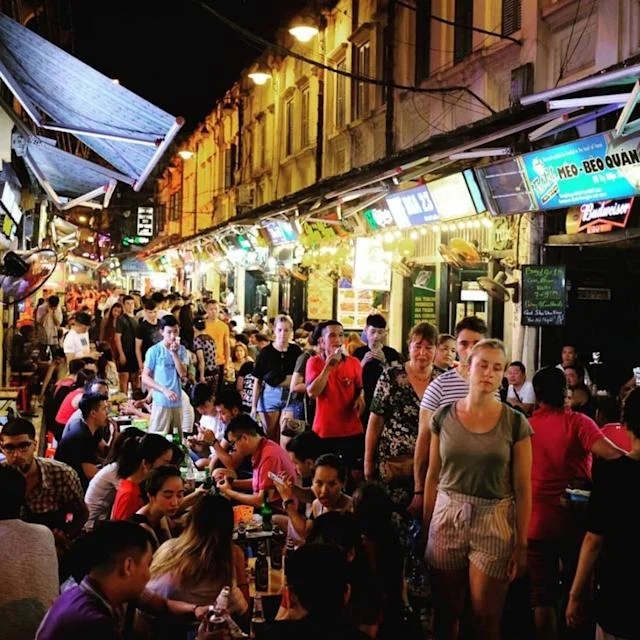
- Flexible Half-Day Tour Integration: A guide can assist in seamlessly connecting your mausoleum visit with nearby attractions like the Imperial Citadel of Thang Long, the Temple of Literature, or Michelin-recommended restaurants in the Old Quarter.
Transportation and Planning Suggestions
The Ho Chi Minh Mausoleum is conveniently located at 2 Hùng Vương, Ba Dinh District, Hanoi:
- Ride-Hailing Apps (Grab / Xanh SM): It takes about 10 to 15 minutes to reach from Hoan Kiem Lake's Old Quarter by car or motorbike. You can set your drop-off point at 17 Phố Ngọc Hà or Ba Dinh Square.
- Public Buses: Bus routes passing near Ba Dinh Square and Ngọc Hà Street include 09A, 09B, 22A, 33, 45, and 50. Get off at Ba Dinh Station or Ngọc Hà Station and walk to the mausoleum.
- Timing Recommendations: It is advisable to arrive half an hour before opening (around 07:00 to 07:30) to avoid long queues from group travelers coming from various provinces in Vietnam.
Visitor Guidelines and Strict Regulations
The mausoleum is a highly revered national site in Vietnam, with frequent military patrols. Visitors must strictly adhere to the following regulations:
- Dress Code: Attire must be respectful and appropriate. Sleeveless shirts, tank tops, shorts, short skirts (above the knee), or ripped jeans are prohibited; hats and sunglasses must be removed before entry.
- No Photography or Recording: Photography, videography, and audio recording are strictly prohibited inside the mausoleum. Cameras and large photography equipment must be stored at the entrance, and mobile phones must remain off once inside the mausoleum building.
- Behavioral Expectations: Visitors must remain quiet while moving through the site, refraining from loud talking, smoking, eating, littering, or putting hands in pockets. Children under three years old who are unable to control their emotions or may cry should not be brought inside the mausoleum.
- Annual Maintenance Closure: Each autumn (typically between early September and early November, with exact dates announced annually by the management), the mausoleum will close for about two months for maintenance and equipment testing. During this time, the mausoleum will be closed to visitors, but the exterior of Ba Dinh Square, the Presidential Palace, and the museum usually remain open.
Frequently Asked Questions (FAQ)
Q1: Is there an admission fee to visit the Ho Chi Minh Mausoleum?
Visiting the Ho Chi Minh Mausoleum and strolling around Ba Dinh Square is free for all domestic and international visitors. However, to enter the "Ho Chi Minh Presidential Site Area" (including the stilt house and fish pond) or the "Ho Chi Minh Museum," foreign visitors need to purchase separate tickets.
Q2: Is the mausoleum open for visits in the afternoon?
No. The Ho Chi Minh Mausoleum is only open in the morning on Tuesdays, Wednesdays, Thursdays, Saturdays, and Sundays (until 10:30/11:00 in summer, 11:00/11:30 in winter), and is not open for visits in the afternoon. Mondays and Fridays are regular closure days (except for public holidays).
Q3: Is it still worth visiting Ba Dinh Square during the annual maintenance closure?
Absolutely. While you cannot enter the mausoleum to pay your respects, the grandeur of Ba Dinh Square, the impressive granite exterior of the mausoleum, the yellow French Presidential Palace, the stilt house, and the One Pillar Pagoda remain open, making it an excellent cultural walking route to understand Hanoi's history.