Detailed Content
When planning a trip to Ninh Binh in northern Vietnam, the first image that often comes to mind is gliding along the serene waters of Tam Coc or Trang An in a traditional rowboat, surrounded by stunning landscapes. However, as the VietGo team often tells friends, if you want your journey through this "land-based Ha Long Bay" to be more than just picturesque photos, but also rich in history and depth, then the Hoa Lu Ancient Capital nestled in the valleys of Ninh Binh is an essential historical stop! Stepping into this ancient imperial city, embraced by towering limestone peaks, you'll discover how Vietnam's founding heroes cleverly utilized nature's natural barriers to establish the foundations of an independent dynasty amidst these breathtaking landscapes.
Overview of Hoa Lu Ancient Capital: The Thousand-Year-Old Imperial City of Vietnam's First Feudal Dynasty
Located in Truong Yen Commune, Hoa Lu District, Ninh Binh Province, Hoa Lu Ancient Capital is at the heart of the Trang An Landscape Complex. This UNESCO World Heritage site was recognized in 2014 for its cultural and natural significance. [UNESCO]
UNESCO World Heritage Centre: Trang An Landscape Complex ↗
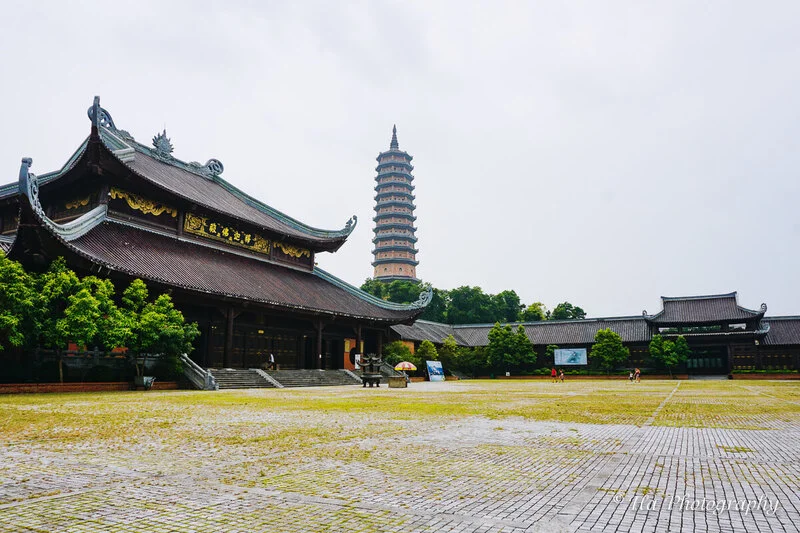
In 968 AD, after defeating the Twelve Lords' Rebellion, King Dinh Tien Hoang established Vietnam's first centralized feudal state, Đại Cồ Việt, and chose Hoa Lu as its capital. Although Hoa Lu served as the capital for only about 42 years (during the Dinh and Early Le Dynasties), it holds a significant place in Vietnamese history. It wasn't until 1010 AD, when Emperor Ly Thai To of the Ly Dynasty issued the edict to move the capital to Thang Long (present-day Hanoi), that Hoa Lu became known as the "ancient capital." While the grand palaces of the past have faded with time and conflict, the temples and monuments rebuilt by later generations continue to embody a thousand years of solemnity and dignity.
Main Features and Highlights of Hoa Lu Ancient Capital
Visiting Hoa Lu Ancient Capital allows you to appreciate the rustic architecture of traditional Vietnamese temples while experiencing the powerful interplay of geography and history:
- Natural Fortress Layout: Surrounded by towering cliffs and the Hoang Long River, Hoa Lu's ancient inhabitants utilized the limestone peaks as natural walls, constructing artificial fortifications only in the valley gaps, creating a robust defensive barrier for the imperial city.
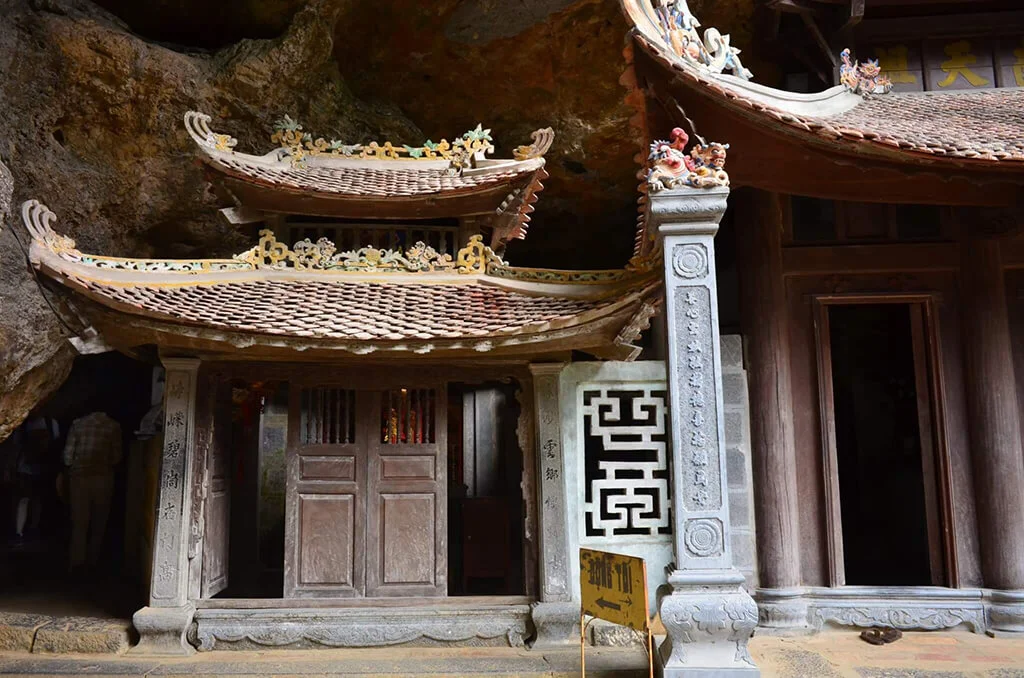
- King Dinh Tien Hoang Temple: This ancient temple, located at the foot of Ma Yen Mountain, is one of the central structures in the complex. In front of the temple stands a finely carved "dragon bed" made from a single block of blue stone, surrounded by exquisite stone sculptures, with the temple dedicated to King Dinh Tien Hoang and his descendants.
- King Le Dai Hanh Temple: Just a few hundred meters from King Dinh Tien Hoang Temple, this temple honors the founder of the Early Le Dynasty, Le Hoan, and Empress Yang Van Nga. It retains many precious wooden carvings and rustic stone beams from the Qing and Nguyen Dynasties.
- Ma Yen Mountain and the Tomb on the Summit: If you're up for it, you can climb the stone steps to Ma Yen Mountain, where the tomb of King Dinh Tien Hoang stands. From this vantage point, you can enjoy a panoramic view of the ancient capital and the winding river below.
Recommended Visitor Types and Activities
Hoa Lu Ancient Capital is ideal for the following types of travelers:
- History and Culture Enthusiasts: Those looking to delve deeper into Vietnam's history of independence and the legacies of the Dinh and Le Dynasties.
- Photography Lovers: The ancient stone arches, moss-covered brick walls, and lush mountains provide a rich backdrop for capturing timeless photographs.
- Family and Educational Travelers: Adding a layer of historical significance to a nature-focused itinerary in Ninh Binh.
Itinerary Suggestions: How to Plan a Day Trip in Ninh Binh?
Since a visit to Hoa Lu Ancient Capital takes about 1 to 1.5 hours, it makes for a perfect first stop on a day trip in Ninh Binh:
- Classic Cultural and Water Route: Morning visit to Hoa Lu Ancient Capital ➔ Lunch featuring Ninh Binh goat meat ➔ Afternoon boat ride in Trang An ➔ Evening at Mua Cave to watch the sunset.
- Historical and Countryside Cycling Route: Morning visit to Hoa Lu Ancient Capital ➔ Lunch in Tam Coc ➔ Afternoon cycling through the rice fields of Tam Coc and visiting Bich Dong Pagoda.
Transportation and Arrangement Tips
Hoa Lu Ancient Capital is about 90 kilometers from downtown Hanoi and approximately a 15 to 20-minute drive from Ninh Binh city center or Tam Coc pier:
For travelers departing from Hanoi, the most convenient option is to book a luxury limousine van or a private car, with a travel time of about 1.5 to 2 hours. Upon arriving in Ninh Binh, you can rent a motorbike or take a taxi to connect with nearby attractions. There is a large parking lot at the entrance of the ancient capital, along with simple dining and souvenir stalls nearby.
Visiting Etiquette and Dress Code
Both the King Dinh Tien Hoang Temple and the King Le Dai Hanh Temple within Hoa Lu Ancient Capital are solemn religious and historical sites. Please adhere to the following guidelines when visiting:
- Dress Code: When entering the temples, please wear long pants or skirts that cover the knees, avoiding sleeveless tops, low-cut, or overly revealing clothing.
- Sun Protection and Mosquito Repellent: While the area is shaded by trees, there are many outdoor spaces, so it's advisable to bring sunscreen and insect repellent.
- Non-Slip Footwear: If you plan to climb Ma Yen Mountain to reach the tomb at the summit, wear shoes with good traction.
Do You Need a Guide or Local Companion? Considerations for Hiring a Guide
While Hoa Lu Ancient Capital has clear signage and independent travelers can purchase tickets and explore at their own pace, those who simply want to stroll around might find it to be just a few old wooden temples and stone sculptures. For first-time visitors to Vietnam or those unfamiliar with Southeast Asian history, the fascinating stories behind the Twelve Lords' Rebellion, the legend of Empress Yang Van Nga, and the symbolic meanings of the stone dragon bed and temple architecture are the true highlights.
Having a local guide from the VietGo platform can transform dry historical facts into engaging stories, assist in planning a smooth itinerary, and help connect the various attractions in Ninh Binh, allowing you to fully experience Hoa Lu, Trang An, and Mua Cave in one day, leaving you with a wealth of historical insights and cherished memories.
Frequently Asked Questions (FAQ)
1. Can you still see the palatial buildings from a thousand years ago at Hoa Lu Ancient Capital?
Not really. The wooden palatial structures from the 10th century have long since disappeared due to the relocation of the capital to Thang Long and subsequent conflicts. The existing King Dinh Tien Hoang Temple and King Le Dai Hanh Temple are mainly reconstructions and restorations made by later generations in traditional Vietnamese style, but the foundations and surrounding natural landscape still retain the defensive layout from a thousand years ago.
2. How much time should I allocate for visiting Hoa Lu Ancient Capital?
It is recommended to allocate 1 to 1.5 hours. If you plan to climb Ma Yen Mountain for a panoramic view, consider adding an extra 30 to 45 minutes.
3. Does the entrance fee for Hoa Lu Ancient Capital include parking fees?
The entrance fee only covers access to the ancient capital and temples. If you arrive by motorbike or car, the parking lot near the entrance will charge an additional fee of approximately 10,000 to 20,000 VND.