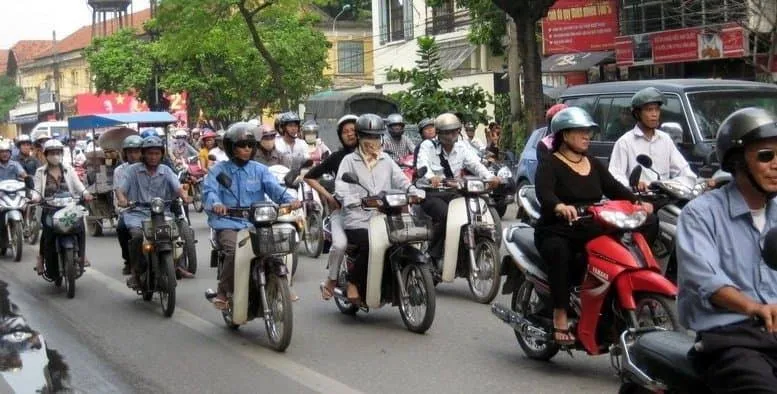

In recent years, traveling to Vietnam has become incredibly popular! Especially in Northern Vietnam, Hanoi, where the clash of "French colonial charm x Eastern chaotic aesthetics," combined with affordable prices, has attracted many Taiwanese travelers.
However, just after landing, faced with the sounds of honking horns and menus in Vietnamese that are hard to understand, many people's first reaction is: "Oh my, I should have found a local to guide me!" Thus, "Vietnam personal guide," "Hanoi university student tour guide" became popular search keywords.
But with so much chaotic information online, some say you can find someone for a few hundred dollars a day, while others say they can take you around for free. Which one is true? Is it safe to find a private guide? Will I be taken advantage of?
As a seasoned travel expert who has been in the field for many years, this article will not discuss vague concepts but will directly clarify **"types of guides," "real market conditions," and "how to avoid scams."** After reading this, you will be guaranteed to navigate Vietnam with confidence! 😎
1. Why should you choose a "private guide" instead of joining a tour?
Before discussing safety, first clarify your needs. Why are more and more smart travelers choosing to find a private guide?
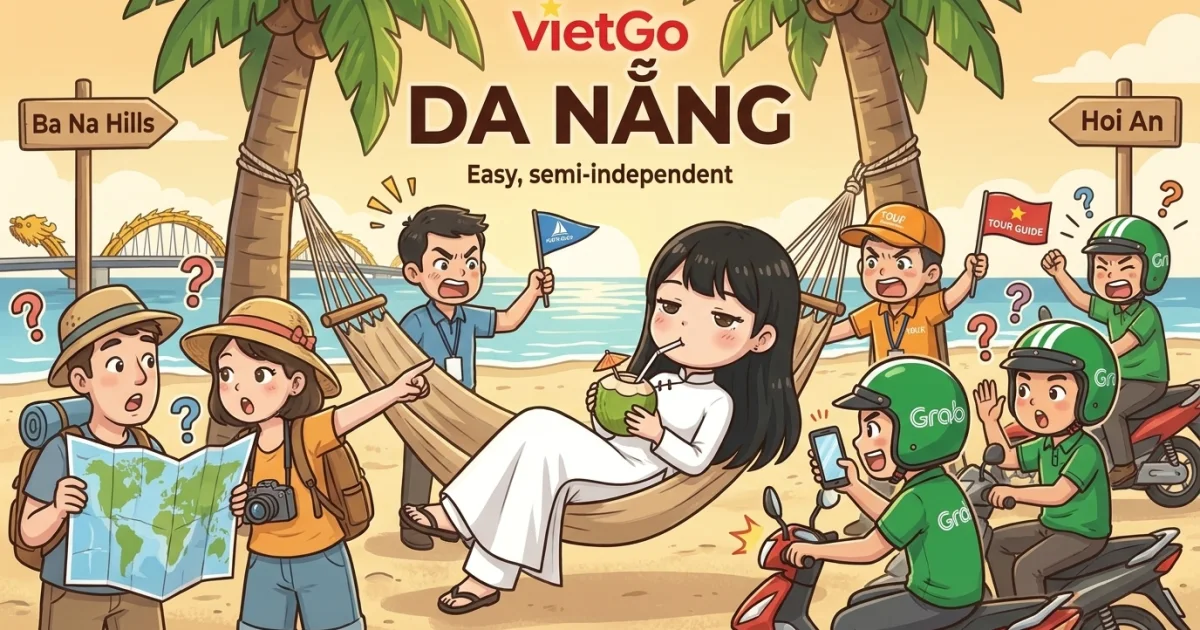
- Your time, not the shopping stops: The most painful part of traditional group tours is "sleeping on the bus, bathroom breaks, and being forced to shop." With a private guide, you decide when to leave, and if you want to linger in a café for two hours, no one will rush you.
- Deep dive into local "hidden" cuisine: Popular restaurants often have long lines and high prices. A local guide can take you into alleys accessible only by motorcycle, where you can enjoy a bowl of pho for just 40 TWD that will blow your mind.

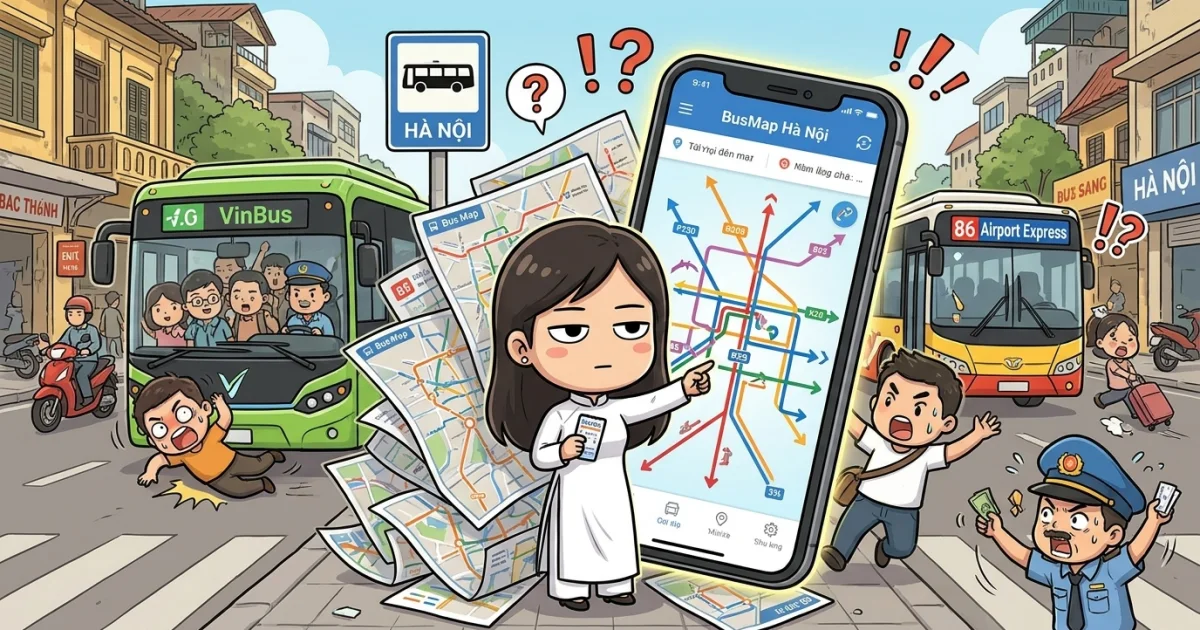
- Resolving "communication barriers" and "unexpected situations": The English proficiency in Vietnam (outside tourist areas) is not as high as you might think. If you encounter a driver taking a detour, need to bargain for purchases, or feel unwell and need medicine, having a local who speaks Chinese by your side provides an invaluable **"sense of security."**
2. "Student companions" vs "professional business guides": What's the difference?
This is the area where most people get confused! Many online listings claim to be "companions," but the price difference is significant. They can be mainly divided into two categories, so please choose according to your needs:
1. Student part-time companions (Student Guide)
- Features: Young, enthusiastic, and full of energy. Usually, they do this to practice Chinese or earn pocket money.
- Advantages: Affordable prices, a friendly atmosphere like traveling with friends, and a more relaxed experience.
- Disadvantages:
- Lack of experience: They may not handle unexpected situations well (like being stopped by the police or losing a wallet).
- Weak historical knowledge: They may not be able to explain the stories behind historical sites in depth, only providing a superficial overview.
- Low stability: They may cancel due to school exams or last-minute issues.
- Suitable for: Young backpackers, those who just want someone to take photos with, chat, and eat delicious food, and those on a limited budget.
2. Professional private guides / business translators (Professional Guide)
- Features: This is their profession, they are experienced, know how to handle situations, and even understand business etiquette.
- Advantages:
- Strong control ability: They can accurately arrange itineraries, avoiding traffic jams and crowded places.
- In-depth explanations: They can discuss everything from history and culture to the current economic situation.
- Business support: They can assist with factory visits and negotiation translations.
- Disadvantages: More expensive than student guides (after all, you get what you pay for).
- Suitable for: Those traveling with elders or children (prioritizing comfort and safety), business inspections, and those who value service quality.

3. Revealing the cost of guides in Vietnam (Avoid being scammed!)
Pricing is the biggest black box. Here is a **"reasonable market reference range"** (based on Hanoi/Ho Chi Minh City prices for 2024-2025):
- Student/part-time companions: Usually range from $50 - $80 USD / day (approximately 1,500 - 2,500 TWD).
- Note: Prices significantly lower than this (e.g., $20 USD) usually mean they will force you to go to shopping stops to make up for the difference.
- Professional guides / business translators: Usually range from $100 - $150 USD / day (approximately 3,000 - 4,800 TWD).
- This category usually includes itinerary planning services and guarantees no shopping pressure.
⚠️ Be aware of additional costs (Hidden Costs): Be sure to ask clearly before booking:
- Meal and transportation costs: The guide will be with you all day; who pays for their lunch and transportation costs? Usually, the guest is responsible for the guide's meal (or the guide pays for it, but the cost is included in their daily rate), so these need to be confirmed in advance.
4. Locals teach you 4 "lightning rod" selection tips
If you don't want to spend money on a bad experience, please use these 4 criteria to evaluate your guide:
1. Look at "communication": Test response speed
Many scam groups use translation software to chat with you on LINE. 👉 Tip to avoid scams: Before booking, try sending a voice message or making a short phone call. Listen to their response speed in Chinese. If they can't communicate clearly over the phone, it will only get worse in person.
2. Look at the "quotation": Transparency is key
👉 Tip to avoid scams: A professional team will provide you with a clear quotation, listing what is included (e.g., guide fees) and what is not included (e.g., entrance fees, vehicle hire). It's most alarming when they say, "Just whatever," or "We'll figure it out later."
3. Look at "face" and "reviews": Real people showing their faces
👉 Tip to avoid scams: Guides who dare to show their faces on social media or websites, or even have actual photos of guiding tours or photos with clients, are more trustworthy. Skip anonymous accounts or those with only scenic photos.
4. Look at "flexibility": Who controls the itinerary?
👉 Tip to avoid scams: A true private guide is **"client-centered."** If you want to go to the Temple of Literature, but the guide insists it's boring and tries to take you to some unknown jewelry store, stand your ground or switch guides.
5. Bonus: 3 common scams in Vietnam (that guides can help you avoid)
Why do I say that finding a good guide can save you money? Because they can help you avoid these annoying issues:
- The taxi meter runs faster than your heartbeat: Many taxis hailed on the street have tampered meters. ✅ Guide's solution: They can help you call Grab (the Vietnamese version of Uber), linked to your credit card for fixed pricing, ensuring you won't be scammed.
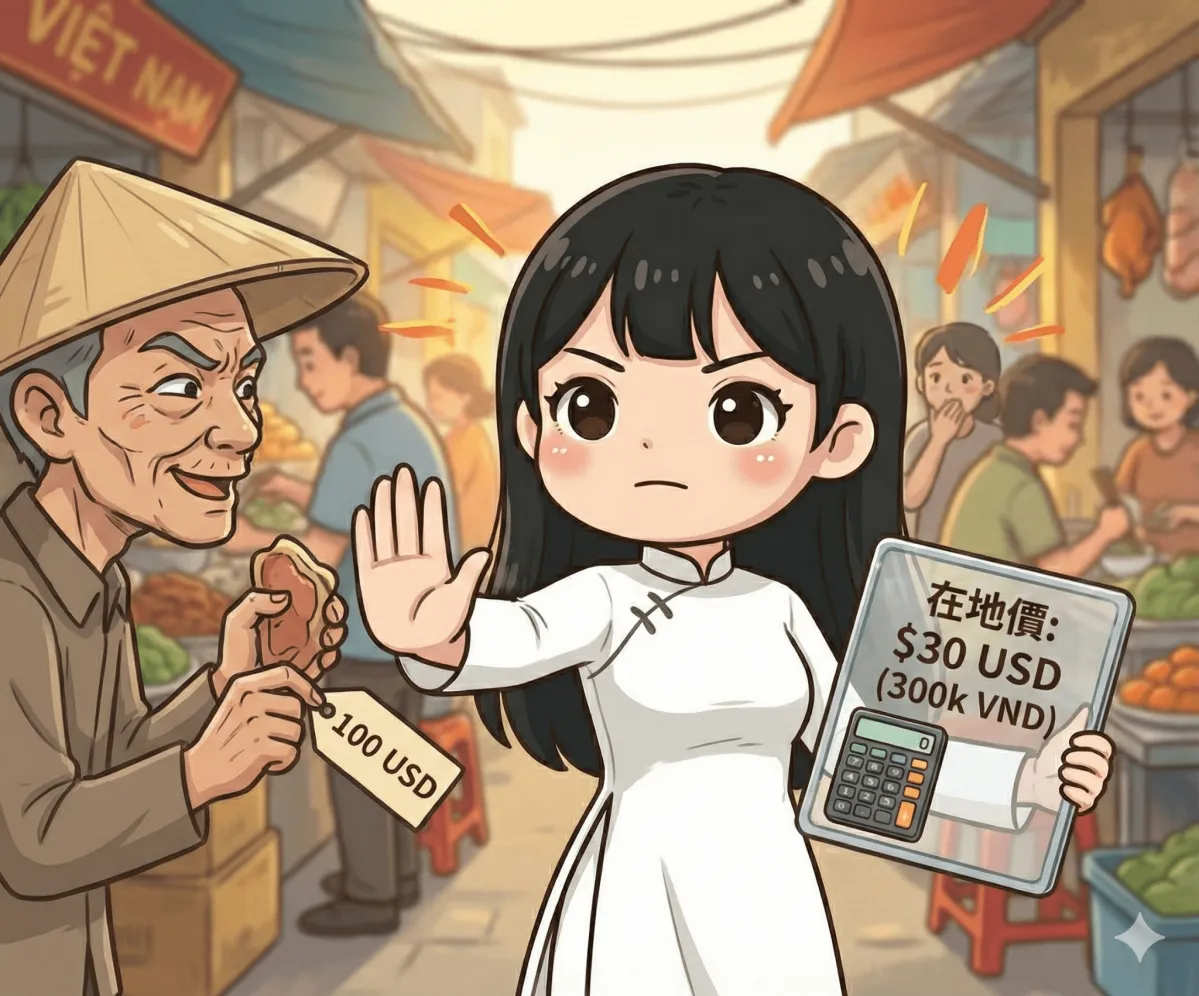
- Street food "tourist price" menus: Some restaurants have two menus and will show the expensive one to foreigners. ✅ Guide's solution: The guide will order directly in Vietnamese, ensuring the prices are "local prices."
- Change magic tricks: The Vietnamese dong has large denominations (with many zeros), which can confuse tourists. Some vendors may deliberately give the wrong change or quickly snatch large bills from your hand. ✅ Guide's solution: They can help you check the change and even calculate the amount for the vendor.
Conclusion: Safety and fun come from "making the right choice"
Vietnam is definitely a country worth visiting again and again. Most of the people here are very friendly, and the food is incredibly delicious.
The so-called "danger" often comes from information asymmetry. Finding a local guide who speaks Chinese, has transparent pricing, and is experienced essentially buys you a "happiness insurance" for this trip.
Don't try to save a few hundred TWD by looking for an unknown cheap guide, only to ruin your entire vacation mood. I hope everyone can find their perfect travel buddy in Vietnam and create the most profound memories of this beautiful country! 🇻🇳✨