
Planning your first family trip with your parents? Concerned about communication barriers on your first visit to Vietnam? Or suddenly tasked with interpreting at an exhibition? Don’t worry. This article clarifies how to find a Chinese-speaking tour guide in Vietnam, whether you need one, how to gauge costs, and the differences between private guides, local companions, and business interpreters, along with the actual booking steps on the VietGo platform. By the end, you'll know which itineraries are best explored independently and when it's more efficient to hire a half-day or full-day Chinese-speaking tour guide to save time and avoid pitfalls.
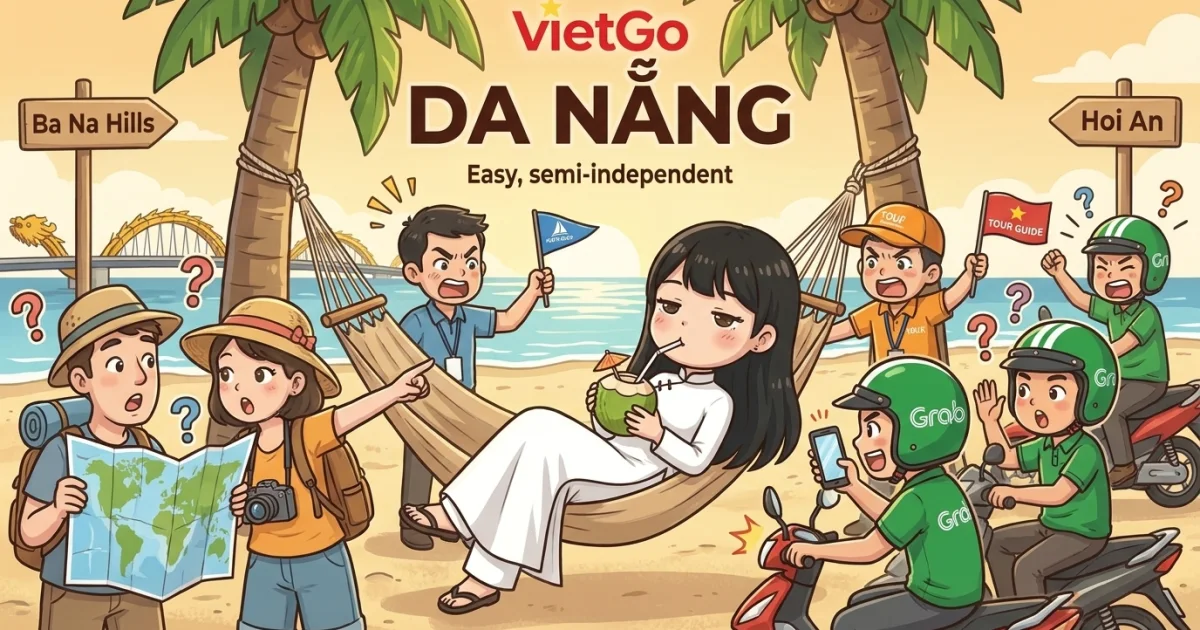
Here’s the quick answer: If you’re unfamiliar with the routes, traveling with seniors or children, want to delve into local stories, or need business interpretation, hiring a compatible Chinese tour guide can save you a lot of effort. However, if you’re just checking off popular spots, using Grab for transportation, staying within the city center, and can communicate in simple English, a guide may not be necessary.
To avoid common pitfalls, the key is not to compare prices randomly but to understand the guide's profile: their expertise, language proficiency, guiding style, past reviews, and cancellation policies. All of this information can be found on the VietGo guide pages, which we’ll break down for you below.
Do you need a Chinese-speaking tour guide for your trip to Vietnam? Here are 4 scenarios where booking one is more convenient
Think of a tour guide not as a "necessity" but as a way to "hand over the complexities to a professional." In the following common situations, booking a half-day or full-day service is more cost-effective:
- Traveling with seniors and young children: The itinerary needs to account for rest, clean restrooms, and cool dining spots. A Chinese-speaking guide can pre-arrange routes and alternatives, ensuring the group isn’t left in limbo during unexpected rain or traffic jams.
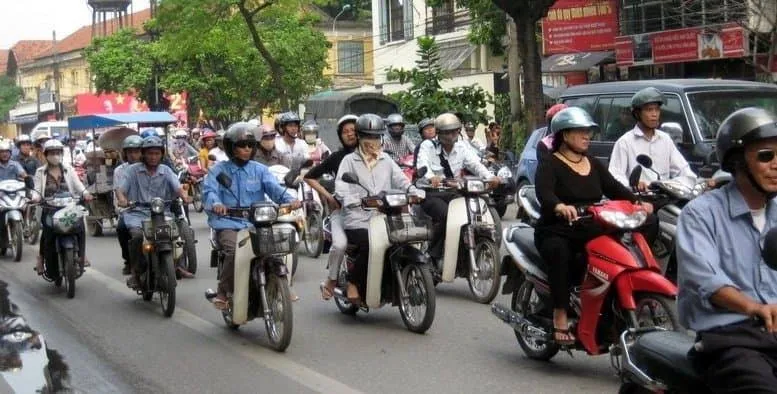
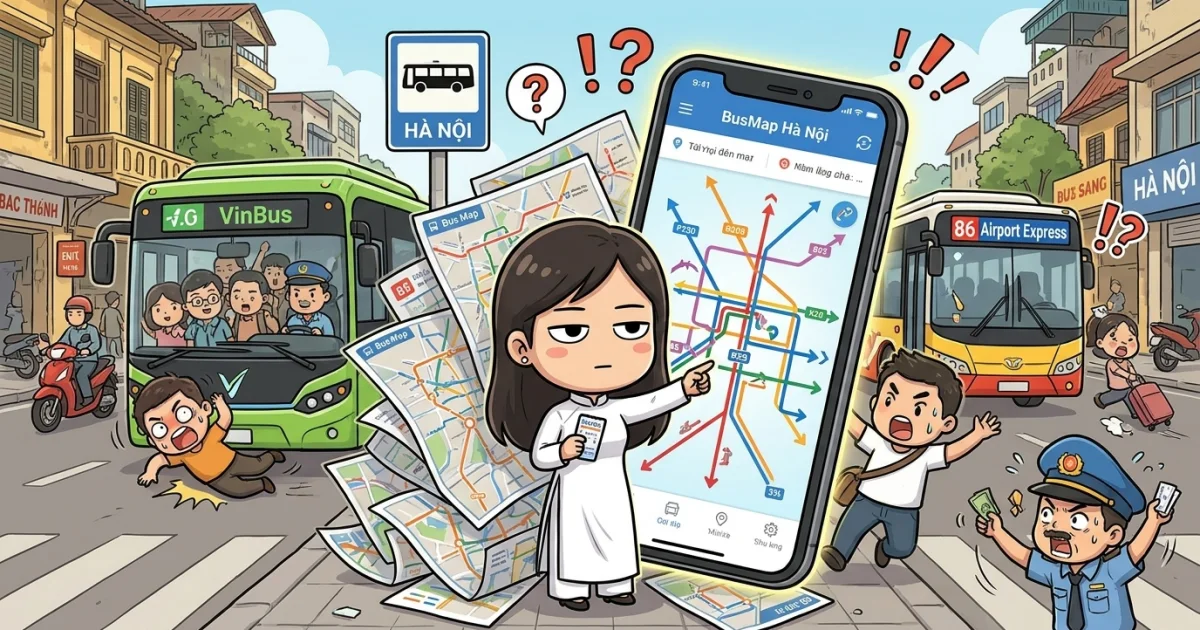
- First time in Vietnam and unfamiliar with transportation: Ho Chi Minh City has a staggering number of motorbikes, and Hanoi’s Old Quarter is a maze. A guide can connect attractions more intelligently, call for rides to avoid detours, and help you avoid "tourist prices" at shops.
- Interested in stories rather than just sightseeing: War relics, colonial architecture, and local religious customs can easily be forgotten without proper explanations. A Chinese-speaking guide can narrate geographical, historical, and contemporary contexts in an understandable, relatable manner.
- Business visits or exhibition negotiations: This involves more than just translating words; it’s about grasping the rhythm of negotiations, polite conversation, and local business culture. Choosing the wrong person could mean missing crucial details.
How do you choose between half-day and full-day services? If you only need airport transfers and a couple of city spots, a half-day is sufficient. However, if you plan to cross districts (like Ho Chi Minh City to Cu Chi Tunnels) or hop between coastal cities in the central region, you'll likely need a full day, starting from 8 hours.
How to choose between a private guide, local companion, or business interpreter? Align your tasks first
While the names may sound similar, their roles differ significantly, so don’t confuse them.
- Private tour guide in Vietnam: Specializes in planning daily itineraries, providing real-time explanations, and managing group dynamics. Ideal for travelers looking for in-depth exploration, cross-district travel, and coordination of transportation and dining.
- Chinese-speaking local companion: More like a "local lifestyle consultant," guiding you to local eateries, helping you buy coffee beans, and teaching you how to use ride-hailing apps, without necessarily providing academic explanations at every stop. Suitable for relaxed city strolls and small food tours.
- Business interpreter/exhibition assistant: Focuses on professional terminology, business etiquette, and document exchanges. Often requires prior reading of materials, meeting notes, and follow-ups, with fees differing from those of tour guides.
A common misconception is treating a "driver" as a tour guide. Drivers are transportation professionals; whether they can provide explanations or take you inside venues is not guaranteed. Conversely, most guides do not drive. If you need both services, you can ask your guide to coordinate Grab or taxi transfers.
How are tour guide fees calculated in Vietnam? Hours, language, transportation, and often overlooked costs
The good news is that there are standard market rates. According to recent information from the VietGo platform, the cost for an 8-hour full-day Chinese-speaking tour guide/local companion typically ranges from 2,000,000 to 3,500,000 VND, adjusted based on city, language difficulty, and expertise. Here’s a breakdown of common costs:
Basic structure and additional cost factors
- Hours: A half-day usually covers 4 hours, while a full day is about 8 hours. Overtime is often charged by the hour (as indicated by the guide).
- Language: Fees for Chinese-speaking guides are generally higher than for English; specialized interpretation in specific industries (medical, engineering, legal) may incur additional charges.
- City and peak season: Ho Chi Minh City, Hanoi, and Da Nang are in high demand during peak seasons, which can raise prices and minimum booking hours.
- Transportation: Guide fees do not include transportation costs. If you need a vehicle, ask your guide to assist with arranging taxis/Grab, with fares calculated accordingly.
- Meal and entrance fees: Typically, travelers cover their own meal and entrance fees. Whether the guide's meals or entrance tickets are your responsibility depends on mutual agreement and venue rules, so clarify before booking.
- Cross-district and overnight stays: If the guide needs to leave the main service city for an overnight stay, it’s advisable to contact us beforehand so we can help communicate and select a suitable candidate, with additional transportation and meal costs.
- Tips: Not mandatory. A common practice is to tip based on satisfaction, typically 100,000 to 200,000 VND per person per day, or a group representative can prepare a red envelope; discussing this with group members beforehand can help avoid awkwardness.
Two common scenarios for "pocket estimates"
- Leisurely exploring Ho Chi Minh City (full day): Guide fee 2.5 to 3.5 million VND + city transportation (Grab calculated per trip) + your own meal and entrance fees. When not requiring a vehicle, the total budget usually falls between 3 to 5 million VND (excluding your shopping).
- Hanoi + Ninh Binh in one day (cross-district): Full-day guide 3 to 5 million VND + vehicle rental or round-trip transportation costs + possible guide meal and entrance fee subsidies. If staying overnight or running multiple days, be aware of any cross-district subsidies.
Editor’s note: The listed prices from the platform or guide typically only cover "person" services. All additional services (vehicle rental, special entrance tickets, fast track, photography, child safety seats) should be clearly outlined in the confirmation message to avoid misunderstandings on the day.
Understanding VietGo guide profiles: Use 6 indicators to find the right Chinese-speaking guide in Vietnam
Don’t just focus on the price. When you open a guide's personal page on the VietGo Chinese-speaking tour guide booking platform, the following sections are crucial:
1) Tags and expertise: Are they relevant?
Common tags include "family-friendly," "local cuisine," "history and culture," "nature hiking," "photography," "nightlife," and "business interpretation." If traveling with seniors, choose someone who maintains a steady pace and arranges for rest and air-conditioned spots; if you want to take photos, look for someone with photography experience who knows the best lighting times; if attending an exhibition, select someone with industry experience and past clients listed. If the tags don’t align with your needs, keep scrolling.
2) Language proficiency and details in self-introduction
VietGo indicates language abilities and service languages. You want to ensure the Chinese explanations are fluent and that they can use terms you’re familiar with (Taiwanese or Hong Kong terms). Check how they narrate in their self-introduction: can they turn a site into a relatable story, do they provide local examples? If there’s too much fluff and not enough detail, they might only take you to the spots for photos.
3) Itinerary photos and past work
Are the photos genuinely from that city? Are there images of group interactions, itinerary maps, or handwritten notes? If you encounter beautifully staged photos but see no interaction with the guide or team, ask a few more questions. Guides for family trips often mention child-friendly restaurants, public restrooms, and indoor backup plans—these are signs of practical experience.
4) Review "red flags"
- Look for what "negative reviews" mention: usually communication gaps, unclear additional charges, or time management issues. Check if the guide has publicly responded and improved.
- Pay attention to the distribution of reviews: if there are only one or two recent reviews and the rest are old, it may indicate fewer recent bookings or a recent transition, so ask for more details.
- Similar wording or overly positive reviews may suggest spam. Genuine reviews will mention specific locations, restaurants, and on-the-spot adjustments.
5) Time slots and service area: service cities, available hours, and overtime rules
The page will indicate "main service cities" and "available time slots." If you plan to cross cities (e.g., Ho Chi Minh City to Vung Tau Beach, Hanoi to Ninh Binh), confirm whether they are willing to cross districts, if there are overnight supplements, and if they have a driver partner. Clarify how overtime is calculated and the latest service time, as late-night charges are common.
6) Communication and contract sense: response speed, itemized costs, and encouragement for off-platform transfers
Quick responses and a willingness to itemize costs and inclusions/exclusions generally provide peace of mind. If someone is pressuring you to move off the platform for private transfers or only quotes a "flat rate" without detailing items, that’s a red flag. Communicating and paying through the platform ensures protection and records.
What to confirm before booking? And how to complete your booking on VietGo
Even good guides fear "miscommunication." Before hitting the booking button, please align the following key points:
10-point checklist before booking
- Meeting time and place: Hotel lobby, metro station exit, or a designated café, with a Google Map link marked.
- Service hours and overtime rates: Start and end times for half-day/full-day, how much is charged per hour for overtime, and the latest time they can serve.
- Number of people and ages: Are there seniors, young children, or wheelchair/stroller needs to facilitate route and restaurant arrangements?
- Transportation arrangements: Vehicle rental or ride-hailing. If renting, specify the number of seats, luggage, and whether a child safety seat is needed.
- Restaurant style and dietary restrictions: No beef, no cilantro, whether roadside stalls are acceptable or if air-conditioned seating is required.
- Entrance fees and whether the guide will enter: If the guide needs to enter for explanations, will you cover their entrance fee or guide headset?
- Special points and must-see list: List your must-visit spots and must-try restaurants to help the guide plan the route.
- Cancellation/rescheduling rules: How many days in advance can you cancel for a refund, and how to handle weather or force majeure situations.
- Payment method and receipt: Platform payment, whether a receipt can be issued, or if there are company reimbursement needs.
- Emergency contact and communication: Which app is primary for communication (WhatsApp/Zalo/Line), and whether there’s Wi-Fi sharing in the room.
Timing reminder: Generally, itineraries should be booked at least 2 days in advance; for multi-day cross-district or business exhibition interpretation, aim for 1 to 2 weeks. The later you wait, the more likely you’ll find "the preferred guides are fully booked."
The actual booking process on the VietGo platform
- Go to the VietGo guide list page, filtering by city (Ho Chi Minh City, Hanoi, Da Nang, Nha Trang, Phu Quoc, etc.) and language "Chinese."
- Click on individual profiles to check "expertise tags," "language proficiency," "service hours and cities," and "reviews." Don’t rush to book; compare your needs against the 6 indicators listed above.
- Use the "inquire about availability/contact" feature on the page to describe your date, number of people, budget range, and must-visit spots, and ask for suggested routes and itemized quotes.
- Once satisfied, confirm the booking and payment on the platform (which may show as full payment or a deposit), and you will receive order information, with all changes recorded thereafter.
- If transportation is needed, check that during the inquiry or have the guide assist with the booking; if not renting a vehicle, agree to use taxis/Grab, which you will pay on-site.
- On the day before departure, reconfirm the meeting point, time, and weather backup in the chat room. If you need to extend time, confirm overtime fees on the platform in advance to avoid disputes later.
- After the trip, leave a review on the platform to help the next traveler avoid pitfalls or find a great guide.
Who should handle things independently, and who should be entrusted to a local Chinese guide?
If you’re comfortable with English, enjoy spontaneous exploration, and are focused on city center routes, going solo offers the most freedom. However, if your trip involves seniors, children, dispersed attractions, cross-district travel, or business interpretation, handing it over to a Chinese guide is more reliable. You can also use VietGo's travel budget calculator to get a rough estimate before searching for guides that fit your budget and style.
Common pitfalls and avoidance strategies: Budget, itinerary, and safety explained
Finally, here are a few pitfalls we often help travelers navigate on-site; knowing them in advance can save you from unnecessary expenses:
- Only comparing low prices without asking what's included: If you see "all-inclusive," immediately ask "what's included? What's not included?" Especially for entrance fees, meal costs, vehicle rental, parking fees, guide meals and tickets, and how overtime is calculated.
- Packing the itinerary too tightly while ignoring travel time: Google Maps may show 30 minutes, but rain and traffic can double that. Allow for flexibility and backup plans, and ask your guide to help manage the pace.
- Changing the itinerary last minute without documenting it on the platform: Verbal agreements are easily forgotten. For all additional charges, itinerary changes, and time extensions, please write a note in the VietGo chat window for mutual assurance.
- Looking for street-side solicitors to save a few bucks: While the price may look attractive, if you encounter a lackluster guide or sudden price hikes, you have no platform protection and can’t track them down. Remember, cheap often comes with risks.
Travel regulations, entrance fees, and whether guides can enter for free may change with seasons or venue policies. For critical issues, please refer to the booking page and the guide's responses, and verify on official websites if necessary.
```