Detailed Content
Stepping out from the bustling west side of Dragon Bridge in Da Nang, you’ll find yourself on February 2nd Street, where elegant pale yellow arcade buildings and lush green courtyards come into view. The Da Nang Museum of Cham Sculpture doesn’t boast towering modern glass facades; instead, it features well-lit semi-open corridors and wooden shutters that allow natural sunlight to cascade over ancient sandstone carvings. Here, hundreds of exquisite sculptures from the ancient coastal civilizations of Central and Southern Vietnam are quietly displayed, showcasing lively Apsara dancers, imposing Shiva statues, and massive stone altars that highlight the artisans' meticulous craftsmanship.
History and Architectural Features of the Da Nang Museum of Cham Sculpture
The Da Nang Museum of Cham Sculpture was established in 1915 by the French School of the Far East and officially opened its doors to the public in 1919. [Da Nang Museum of Cham Sculpture] combines French colonial architectural styles with elements of traditional Cham tower lines, emphasizing natural ventilation and lighting in its design. The museum was founded as a result of efforts by French archaeologists in the late 19th to early 20th centuries to rescue and collect Cham civilization relics from provinces such as Quang Nam, Binh Dinh, and Quang Tri. After several expansions, the museum now boasts over a thousand square meters of exhibition space, preserving a century-old tradition of display.
Da Nang Museum of Cham Sculpture: Museum History ↗
Main Exhibition Areas and National Treasures
The museum organizes its exhibits according to the archaeological sites where the artifacts were unearthed, allowing visitors to understand the evolution of Cham art through historical and geographical contexts:
- My Son Room: This area focuses on artifacts from the My Son Sanctuary, showcasing architectural components, deities, and stone carvings from the 7th to 11th centuries, including several sculptures of Shiva and Vishnu that reflect the profound influence of early Hindu culture on Central Vietnam.
- Trà Kiệu Room: Home to the nationally recognized "Trà Kiệu Pedestal," this section features intricately carved reliefs depicting stories from the Indian epic Ramayana, alongside graceful Apsara figures.
- Đồng Dương Room: Displays sculptures from the 9th century during the height of Mahayana Buddhism in Champa, including a tall and uniquely styled Tara statue.
- Tháp Mẫm & Bình Định Rooms: Showcases the sculptural styles from the late 12th to 15th centuries, featuring robust carvings of the mythical Garuda and dragon-like creatures, reflecting the evolution of artistic styles in later periods.
Visitor Recommendations and Suggested Itinerary
The Da Nang Museum of Cham Sculpture is ideal for travelers interested in history, culture, archaeology, sculpture, and photography. Since most exhibition spaces utilize natural ventilation rather than full air conditioning, it’s advisable to allocate 1 to 1.5 hours for your visit. For travelers planning a day trip to My Son Sanctuary, starting here to learn about Cham religious symbols and architectural components will enrich your subsequent exploration of the ruins.
Itinerary Suggestions and Nearby Attractions
Located at a central intersection in Da Nang, the museum is easily accessible, making it perfect for a half-day or full-day itinerary:
- Cultural City Walk: Visit the Da Nang Museum of Cham Sculpture in the morning, then stroll along the Han River promenade to Han Market for souvenirs, and enjoy a lunch of Mi Quang or Vietnamese pancakes nearby.
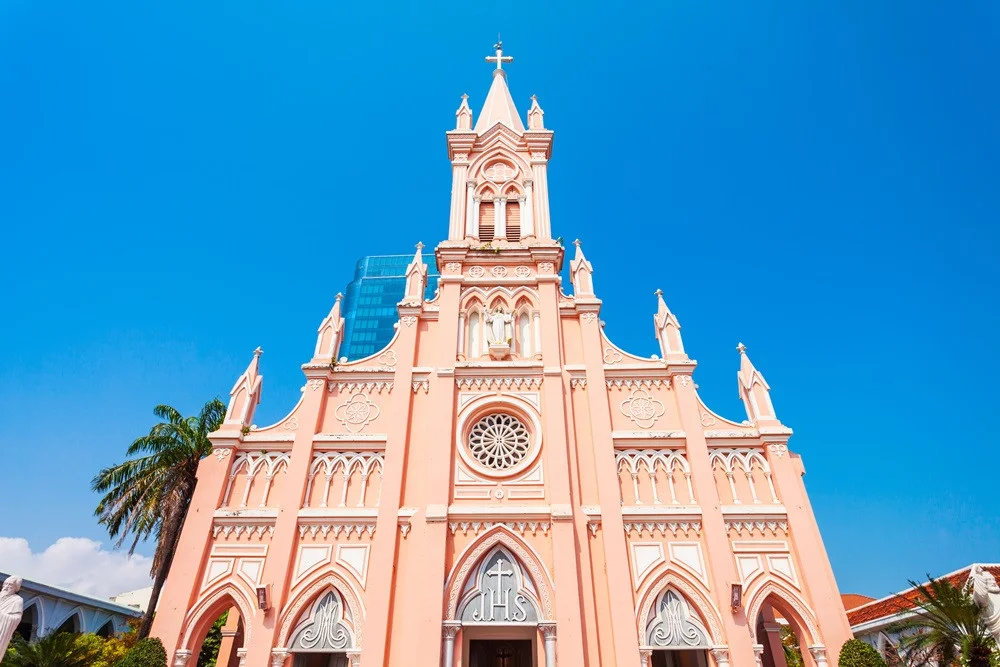
- Landmarks and Night Views: In the afternoon, visit the pink Da Nang Cathedral, then walk to Dragon Bridge or Love Lock Bridge in the evening, followed by a Han River cruise or a visit to Son Tra Night Market for grilled seafood.
Do You Need a Guide or Local Companion?
If you’re just casually wandering and taking photos, the informational signage provided in the museum is sufficient for your visit. However, Cham art intertwines Hindu Shaivism, Vaishnavism, and Mahayana Buddhist mythology, making it easy to miss deeper meanings without background knowledge. Booking a professional guide through the VietGo platform can offer in-depth explanations of the stories behind the reliefs, the symbolic meanings of the statues, and the historical changes over two millennia between Vietnam and China; guides can also assist with transportation and local dining options, enhancing the cultural experience.
Visitor Guidelines and Practical Tips
- Dress Code: While there are no strict dress codes, some exhibition areas display religious statues, so it’s advisable to wear modest and appropriate clothing.
- Photography Rules: General photography is allowed, but the use of flash and large tripods is prohibited. Please do not touch the ancient artifacts on display.
- Heat Preparation: Many of the museum's corridors are semi-open, so if visiting in the summer, be sure to bring a water bottle and a portable fan.
Frequently Asked Questions (FAQ)
How much is the entrance fee for the Da Nang Museum of Cham Sculpture?
The standard ticket price for adults is 60,000 VND; students with valid ID can enter for 20,000 VND; discounts or free entry for primary and secondary school students and children under 6 years old are available as announced on-site.
How long should I plan to spend at the museum?
Most visitors are advised to allocate 1 to 1.5 hours to thoroughly explore the main exhibition areas and national treasures.
Is there an audio guide or Chinese explanation available in the museum?
The museum offers an electronic audio guide that can be accessed via Wi-Fi and QR code scanning. For a richer cultural interaction and deeper historical narratives, it’s recommended to book a Chinese-speaking guide through the VietGo platform.